Japanese idioms: 20 慣用句 that actually come up in conversation日本語の慣用句: 会話に出る20こ
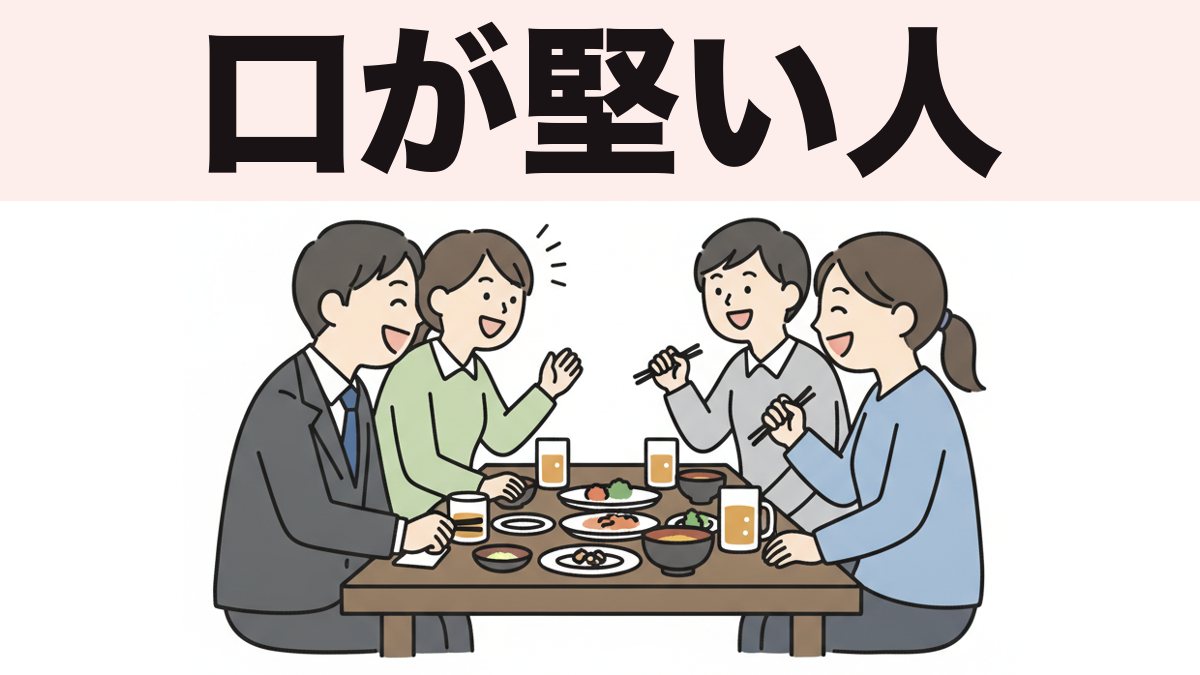
Japanese idioms cluster into two families you can learn as a set: expressions built from body parts (口が堅い, 耳が痛い, 手を貸す) and expressions built around what other people see you do (後ろ指を指される, 見て見ぬふり). Learn the body-part family for utility, and the social family for what it reveals about the culture.
日本語の慣用句は、2つのグループでおぼえられます。1つは体のことばでできたもの(口が堅い・耳が痛い・手を貸す)。もう1つは、人に見られることでできたもの(後ろ指を指される・見て見ぬふり)。1つ目は役に立つから、2つ目は文化が分かるから、おぼえてください。
Idioms are the point where a learner stops sounding like a textbook. They are also where learners most often overreach — dropping a proverb into a casual chat is like saying "a stitch in time saves nine" to a colleague at lunch.
The basics
慣用句, ことわざ and 四字熟語 are different things
| Type | What it is | Example |
|---|---|---|
| 慣用句 | Idiom — a fixed phrase with a figurative meaning | 手を貸す |
| ことわざ | Proverb — a saying with a lesson | 猿も木から落ちる |
| 四字熟語 | Four-character compound, often from Chinese | 一石二鳥 |
This article is about 慣用句, because those are the ones that appear in ordinary conversation. Proverbs are for writing and for the occasional well-placed remark; four-character compounds live mostly in speeches and newspapers.
The body-part family
This is the largest group by far, and the meanings are usually guessable once you know the pattern.
| Idiom | Literal | Means |
|---|---|---|
| 口が堅い | mouth is hard | can keep a secret |
| 口が軽い | mouth is light | can't keep a secret |
| 顔が広い | face is wide | well connected |
| 耳が痛い | ears hurt | that criticism hits home |
| 頭が下がる | head lowers | I have real respect for them |
| 目がない | has no eyes | has a weakness for |
| 手を貸す | lend a hand | help out |
| 腹が立つ | stomach stands up | to get angry |
| 猫の手も借りたい | want to borrow a cat's paws | desperately short-handed |
| 足を引っ張る | pull someone's leg | hold the team back |
彼女は口が堅いから、話しても大丈夫ですよ。 — She can keep a secret, so it's fine to tell her. (polite) 甘いものには目がないんです。 — I have a real weakness for sweets. (polite — 目がない, not "blind")
Note that 足を引っ張る is a false friend: it does not mean "tease someone." It means holding others back, and it is a genuine criticism.
The social family
A second cluster is about being watched, and it says something about the culture it grew in:
| Idiom | Means |
|---|---|
| 後ろ指を指される | to be talked about behind your back |
| 見て見ぬふりをする | to turn a blind eye |
| 周りの目を気にする | to worry about what people think |
| 羽目を外す | to let loose, go overboard |
| 無礼講 | an occasion where rank is set aside |
後ろ指を指されるようなことはしていません。 — I've done nothing anyone could talk about behind my back. (polite — a defence) 今日は無礼講で。 — Tonight, forget about rank. (said by the senior person at a drinking party)
無礼講 is worth knowing before your first work drinks. It is announced by the most senior person present, and it means the usual hierarchy is suspended — although how literally to take that varies enormously by company, which is its own lesson in when to switch registers.
Beyond the basics
Which Japanese proverbs are actually worth learning?
ことわざ are a separate category from the idioms above: a proverb carries a lesson, an idiom just carries a figurative meaning. There are thousands, most of them are archive material, and a small number are genuinely in use. These are the ones I hear from actual people:
| Proverb | Literally | What it means |
|---|---|---|
| 猿も木から落ちる | Even monkeys fall from trees | Everyone makes mistakes |
| 七転び八起き | Fall seven times, get up eight | Keep going after failure |
| 喉元過ぎれば熱さを忘れる | Once it's down your throat you forget the heat | People forget hardship once it's over |
| 石の上にも三年 | Three years even on a rock | Persistence warms even cold ground |
| 出る杭は打たれる | The stake that sticks out gets hammered | Standing out invites correction |
| 塵も積もれば山となる | Even dust piles into a mountain | Small things accumulate |
| 郷に入っては郷に従え | Entering a village, follow the village | When in Rome |
| 花より団子 | Dumplings over flowers | Substance over appearance |
| 案ずるより産むが易し | Giving birth is easier than worrying about it | The dread is worse than the thing |
| 急がば回れ | If in a hurry, go around | Haste makes waste |
Two of these are worth extra attention. 出る杭は打たれる is quoted constantly in discussions of Japanese society, usually critically, and it is often the first proverb a learner meets in an article rather than in life. 花より団子 is genuinely used in conversation and is a good one to have ready — it works any time someone chooses the practical option over the pretty one.
Proverbs shorten in use, the way English ones do. 猿も木から落ちる often arrives as just 猿も木から, and 七転び八起き appears on its own as an encouragement with no sentence around it.
Use them sparingly — one in a conversation is charming, three is a performance. A proverb from a learner lands well precisely because it is unexpected, and that effect does not survive repetition.
Idioms conjugate normally
They are ordinary grammar wearing figurative clothes:
手を貸してくれませんか。 — Could you give me a hand? (polite request — te-form + くれる)
腹が立った (got angry), 耳が痛いです (that stings), 目がなくて (having a weakness for, connecting). Nothing special is required — if you can conjugate the verb, you can use the idiom.
The ones that do not translate
Some idioms map cleanly onto English (手を貸す = lend a hand). Others do not, and those are the ones worth extra attention:
- 耳が痛い has no clean English equivalent. It is what you say when someone's criticism is fair and you know it — an admission, not a complaint.
- 頭が下がる is respect specifically for someone's effort or perseverance, not for their status.
- 顔が広い is neutral to positive. English "well connected" can sound calculating; 顔が広い does not.
Where to hear them
Idioms are dense in workplace conversation and in anime dialogue about relationships. They are rare in news and in service Japanese, which prefers plain phrasing. If your listening practice is all news, you will not meet these — the same gap that leaves learners without onomatopoeia, the other big informal vocabulary family.
A note on overreach
Idioms make you sound fluent when they fit and strange when they don't. Two rules that keep you safe:
- Use one you have actually heard in a real conversation, in the same situation.
- When in doubt, say the plain version. 助けてください always works; a mistimed 猫の手も借りたい does not.
Learners tend to collect idioms faster than they collect the situations to use them in — and the same trap catches wasei-eigo, where the words look easy and the usage isn't.
Common mistakes
- Translating 足を引っ張る as "pull someone's leg." It means holding the group back and it is a real criticism.
- Using 目がない to mean blind. It means having a weakness for something.
- Taking 無礼講 completely literally. Rank is suspended in name; read the room.
- Deploying proverbs in casual chat. One is charming, several is a performance.
- Assuming 耳が痛い is a complaint. It is an admission that the criticism landed.
Practice
Answers are hidden — build yours first, then open. Questions 3 and 4 are a pair: the same body part, opposite meanings.
1. What does 猫の手も借りたい mean?
Show answer
Desperately short-handed — so busy you'd take help from a cat, which would be useless. The uselessness is the joke.
2. Say "could you give me a hand?" politely, using an idiom.
Show answer
手を貸してくれませんか — idioms conjugate normally: te-form plus くれる for a request.
3. What does 口が堅い mean?
Show answer
Can keep a secret — a hard mouth does not open.
4. What does 口が軽い mean?
Show answer
Cannot keep a secret — a light mouth opens easily. This is the pair to question 3: same body part, opposite adjective.
5. Someone criticises you and they are right. Which idiom?
Show answer
耳が痛いです — it is an admission that the criticism landed, not a complaint about being criticised.
6. Something is wrong here: 彼はいつもチームの足を引っ張って、みんなを笑わせます。
Show answer
足を引っ張る means holding the team back — it is a criticism, not teasing. The English "pull someone's leg" is a false friend.
7. Say "I have a real weakness for sweets."
Show answer
甘いものには目がないんです — 目がない is a weakness for something, not blindness.
8. Your boss says 今日は無礼講で at a work party. What has just happened?
Show answer
Rank has officially been set aside for the evening — announced by the most senior person. How literally to take it varies by company.
9. What does 見て見ぬふりをする mean, and which family does it belong to?
Show answer
To turn a blind eye — the social family — the idioms built around being seen, alongside 後ろ指を指される and 周りの目を気にする.
10. You need help and you are not sure an idiom fits. What do you say?
Show answer
助けてください — the plain version always works. A mistimed idiom does not.
FAQ
How many idioms should I learn? Twenty well-chosen ones will cover most conversations. Depth beats breadth — knowing exactly when 耳が痛い fits is worth more than recognising fifty phrases.
Are idioms formal or casual? Most are register-neutral; politeness comes from the verb ending. 手を貸していただけますか is perfectly formal.
Do young people still use these? The body-part ones, yes, constantly. Proverbs less so, and some four-character compounds sound dated in speech.
Is 大丈夫 an idiom? No, it is ordinary vocabulary — though its range has expanded so far in recent years that it now covers "yes," "no," and "no thank you" depending on tone.
Where can I check whether an idiom fits? Look for it in the situation you want to use it in, not in a dictionary. Idioms are about context, and dictionaries only give you meaning.
Why so many body parts? Because emotions and social positions are felt physically, and older layers of the language named them that way. Japanese is not unusual here — English has "cold feet" and "a good head on your shoulders" — but the family is larger and more systematic.
Vocabulary from this article
Tap the block to select all of it, then copy. In Anki: File → Import, note type Basic, separator Tab — the first column becomes the front, the second the back.
慣用句	かんようく — idiom
口	くち — mouth
堅い	かたい — hard, firm
軽い	かるい — light
顔	かお — face
広い	ひろい — wide
耳	みみ — ear
痛い	いたい — painful
頭	あたま — head
下がる	さがる — to go down
目	め — eye
手	て — hand
貸す	かす — to lend
腹	はら — stomach, belly
立つ	たつ — to stand
猫	ねこ — cat
借りる	かりる — to borrow
足	あし — leg, foot
引っ張る	ひっぱる — to pull
後ろ指	うしろゆび — pointing behind someone's back
羽目	はめ — bounds, restraint
外す	はずす — to remove, to step outside
無礼講	ぶれいこう — a party with rank set aside
喉元	のどもと — throat
熱さ	あつさ — heat
忘れる	わすれる — to forget
甘い	あまい — sweet
助ける	たすける — to help, to rescue
I'm Yuuki, a Japanese teacher based in Tokyo. I've taught on italki as a Top 1% teacher and watched over 1,500 anime. The lessons learners remember longest are the ones where a handful of idioms land together — 無礼講, 後ろ指を指す, 羽目を外す — because they are not vocabulary, they are a description of how a room works.
Sources: the author's own lessons and standard reference grammars.
慣用句は、教科書のような話し方から出るところです。そして、やりすぎるところでもあります。ふつうのおしゃべりにことわざを出すのは、お昼ごはんの席でむずかしい格言を言うようなものです。
基本
慣用句・ことわざ・四字熟語はちがいます
| しゅるい | 何か | れい |
|---|---|---|
| 慣用句 | きまった言い方。意味は字のとおりではない | 手を貸す |
| ことわざ | 教えのある言い方 | 猿も木から落ちる |
| 四字熟語 | 漢字4つのことば | 一石二鳥 |
この記事は慣用句の話です。ふつうの会話に出るのは、これだからです。
体のことばのグループ
いちばん大きいグループです。形が分かると、意味もだいたい分かります。
| 慣用句 | 字のとおり | 意味 |
|---|---|---|
| 口が堅い | mouth is hard | ひみつを言わない |
| 口が軽い | mouth is light | ひみつを言ってしまう |
| 顔が広い | face is wide | 知り合いが多い |
| 耳が痛い | ears hurt | その注意は当たっている |
| 頭が下がる | head lowers | そんけいする |
| 目がない | has no eyes | 大好きだ |
| 手を貸す | lend a hand | 手つだう |
| 腹が立つ | stomach stands up | おこる |
| 猫の手も借りたい | want a cat's paws | とてもいそがしい |
| 足を引っ張る | pull the leg | みんなのじゃまになる |
彼女は口が堅いから、話しても大丈夫ですよ。 — She can keep a secret, so it's fine to tell her. 甘いものには目がないんです。 — I have a real weakness for sweets.
「足を引っ張る」は英語の "pull someone's leg" とはちがいます。じょうだんではなく、ほんとうのひはんです。
人に見られることのグループ
もう1つのグループは、「見られること」の言い方です。文化がよく出ています。
| 慣用句 | 意味 |
|---|---|
| 後ろ指を指される | かげで悪く言われる |
| 見て見ぬふりをする | 気づかないふりをする |
| 周りの目を気にする | 人の目を気にする |
| 羽目を外す | はしゃぎすぎる |
| 無礼講 | 上下をわすれる場 |
後ろ指を指されるようなことはしていません。 — I've done nothing anyone could talk about behind my back. 今日は無礼講で。 — Tonight, forget about rank.
「無礼講」は、はじめての会社の飲み会の前に知っておくといいことばです。いちばん上の人が言います。ただし、どこまで本当かは会社によってちがいます。
もう少しくわしく
覚えておくといいことわざ
ことわざは、上の慣用句とはべつのなかまです。ことわざには「教え」があります。数はとても多いですが、今もよく使うものは少しです。実際に耳にするのは、この10個くらいです。
| ことわざ | そのままの意味 | いいたいこと |
|---|---|---|
| 猿も木から落ちる | さるも木から落ちる | だれでもまちがえる |
| 七転び八起き | 7回転んで8回起きる | 何度でもやり直す |
| 喉元過ぎれば熱さを忘れる | のどを過ぎれば熱さを忘れる | つらさは終わると忘れる |
| 石の上にも三年 | 石の上でも三年 | 続ければ実る |
| 出る杭は打たれる | 出たくいは打たれる | 目立つと言われる |
| 塵も積もれば山となる | ちりも積もれば山になる | 小さいものも集まれば大きい |
| 郷に入っては郷に従え | その土地に入ったらその土地に従う | その場のやり方に合わせる |
| 花より団子 | 花よりだんご | 見た目より中身 |
| 案ずるより産むが易し | 心配するより産むほうがやさしい | 心配が いちばん大きい |
| 急がば回れ | 急ぐなら回れ | あわてると失敗する |
2つだけ、とくに覚えておくといいものがあります。「出る杭は打たれる」は日本の社会の話でとてもよく出ます。「花より団子」は会話でふつうに使います。きれいなものより役に立つものを選ぶ場面で使えます。
ことわざは短くして言うこともあります。「猿も木から」だけ、「七転び八起き」だけ、という形です。
ことわざは少なめに。1回はすてきですが、3回はしばいです。
慣用句もふつうに活用します
手を貸してくれませんか。 — Could you give me a hand?
「腹が立った」「耳が痛いです」「目がなくて」。動詞が活用できれば、慣用句も使えます。
英語にならないもの
- 耳が痛い — 英語にぴったりの言い方がありません。「その通りです」とみとめる言い方で、文くではありません。
- 頭が下がる — 立場ではなく、その人のどりょくへのそんけいです。
- 顔が広い — 悪い意味はありません。
どこで聞くか
会社の会話と、アニメの人間かんけいの話に多いです。ニュースやお店のことばには、あまり出ません。ニュースだけで聞く練習をしていると、出会えません。
やりすぎないために
- 本当に聞いたことのある場めんで使う
- まよったら、ふつうの言い方にする。「助けてください」はいつでも通じます
よくある間違い
- 「足を引っ張る」をじょうだんの意味で使う。 ほんとうのひはんです。
- 「目がない」を「見えない」の意味で使う。 「大好き」です。
- 「無礼講」を100%そのまま受け取る。 場のようすを見てください。
- ふつうのおしゃべりでことわざを何回も言う。 1回でじゅうぶんです。
- 「耳が痛い」を文くだと思う。 みとめている言い方です。
練習
答えはかくれています。まず考えてから開いてください。3番と4番が対です。同じ体のことばで、意味が反対です。
1. 「猫の手も借りたい」はどういう意味ですか。
答えを見る
とてもいそがしい — 役に立たない猫の手でもほしい、というじょうだんです。
2. 「手つだってくれませんか」を慣用句で言ってください。
答えを見る
手を貸してくれませんか — 慣用句もふつうに活用します。
3. 「口が堅い」はどういう意味ですか。
答えを見る
ひみつを言わない — かたい口は開きません。
4. 「口が軽い」はどういう意味ですか。
答えを見る
ひみつを言ってしまう — かるい口はすぐ開きます。3番と対です。
5. 注意されて、その通りだと思いました。どの慣用句ですか。
答えを見る
耳が痛いです — みとめている言い方で、文くではありません。
6. 直してください: 彼はいつもチームの足を引っ張って、みんなを笑わせます。
答えを見る
「足を引っ張る」はじゃまをすることです — じょうだんの意味はありません。
7. 「甘いものが大好きです」を慣用句で言ってください。
答えを見る
甘いものには目がないんです — 「目がない」は「大好き」です。
8. 飲み会で上司が「今日は無礼講で」と言いました。何が起きましたか。
答えを見る
今夜は上下をわすれよう、ということ — いちばん上の人が言います。どこまで本当かは会社によります。
9. 「見て見ぬふりをする」はどのグループですか。
答えを見る
人に見られることのグループ — 「後ろ指を指される」「周りの目を気にする」となかまです。
10. 慣用句が合うか分かりません。何と言いますか。
答えを見る
助けてください — ふつうの言い方はいつでも通じます。
この記事に出た単語
ブロックをタップすると全部選べます。そのままコピーしてください。Anki では ファイル → 読み込み、ノートタイプ 基本、区切り タブ。1列目が表、2列目が裏になります。
慣用句	かんようく — idiom
口	くち — mouth
堅い	かたい — hard, firm
軽い	かるい — light
顔	かお — face
広い	ひろい — wide
耳	みみ — ear
痛い	いたい — painful
頭	あたま — head
下がる	さがる — to go down
目	め — eye
手	て — hand
貸す	かす — to lend
腹	はら — stomach, belly
立つ	たつ — to stand
猫	ねこ — cat
借りる	かりる — to borrow
足	あし — leg, foot
引っ張る	ひっぱる — to pull
後ろ指	うしろゆび — pointing behind someone's back
羽目	はめ — bounds, restraint
外す	はずす — to remove
無礼講	ぶれいこう — a party with rank set aside
喉元	のどもと — throat
熱さ	あつさ — heat
忘れる	わすれる — to forget
甘い	あまい — sweet
助ける	たすける — to help, to rescue
私はユウキです。東京で日本語を教えています。 italki の Top 1% の先生で、アニメは1,500本以上見ました。生徒がいちばん長くおぼえているのは、慣用句がまとまって出た回です。「無礼講」「後ろ指を指す」「羽目を外す」。ことばではなく、その場のしくみのせつめいだからです。
More drills like the ones above, plus a timed JLPT-style mock test: Practice · N3上のような練習問題と、時間つきのJLPT形式のもぎ試験: 練習ページ · N3
Want to try this in a real conversation?
本当の会話で、ためしてみませんか?
30-minute trial lesson, $13. Times shown in your own timezone.
30分の体験レッスン、$13。時間はあなたのタイムゾーンで表示されます。
Book a trial lesson · $13