Japanese words for delicious: 美味しい, うまい, 絶品 and what not to sayおいしい・うまい・絶品: 食べたときの言葉と、言わない方がいい言葉
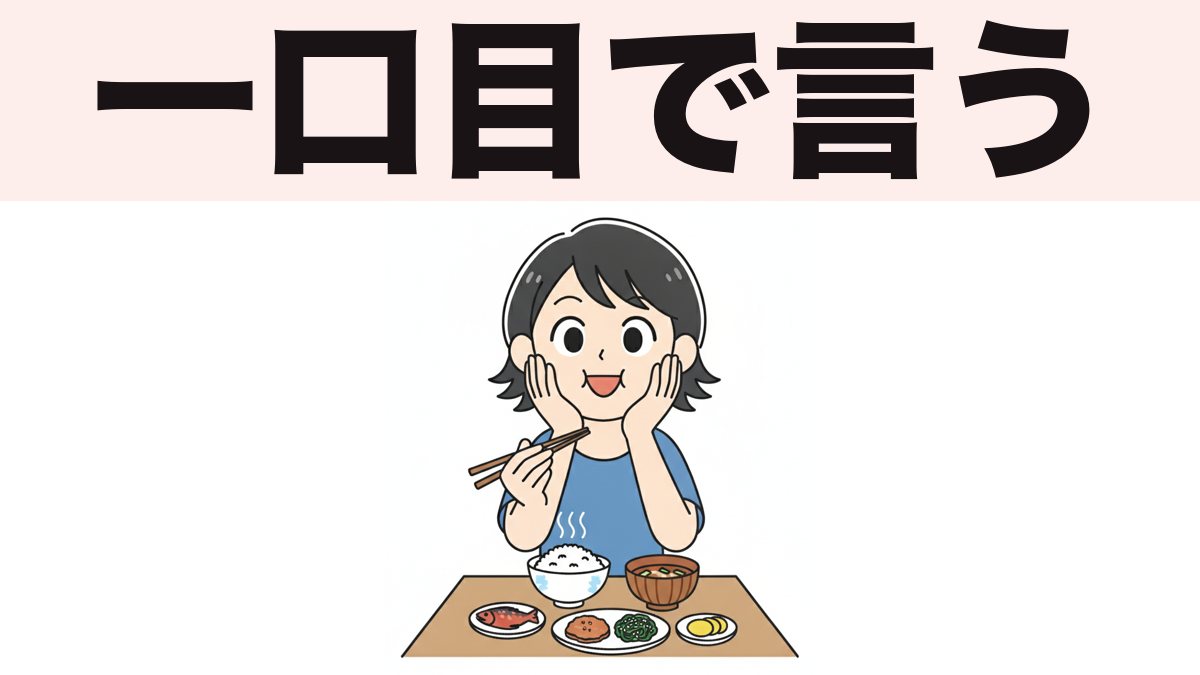
美味しい is the word to use: polite, neutral, correct in every situation. うまい means the same thing but sounds blunt and carries a male, casual register. 絶品 is not an everyday word at all — it means "outstanding", and using it about a decent sandwich overstates the case.
「おいしい」を使ってください。丁寧で、どの場面でも正しいです。「うまい」は同じ意味ですが、ぶっきらぼうで、男の人の言い方です。「絶品」はふだんの言葉ではありません。「とくべつにすばらしい」という意味です。
Food is the topic learners have the most opportunity to talk about and the smallest vocabulary for. Having four or five reactions instead of one おいしい changes how these conversations go, because in Japan the reaction to food is expected, immediate, and a real part of the meal.
The basics
美味しい — the default
An い-adjective, written 美味しい or more often just おいしい in kana, and correct in every register from a restaurant to a dinner at someone's home.
おいしいです! — It's delicious! (polite — always correct) すごくおいしかった。 — That was really good. (casual, past) おいしい食事をありがとうございました。 — Thank you for the delicious meal. (polite — to a host or a restaurant)
Say it early. Japanese meals expect a reaction in the first bite or two, not a verdict at the end, and a quiet guest reads as a disappointed one.
うまい — blunt and casual
Same meaning, very different sound. うまい is informal, direct, and strongly male-coded — men use it constantly among friends and women use it far less, though that line has softened.
うまい! — Delicious! (casual, blunt — usually male) これ、うますぎる。 — This is too good. (casual, emphatic)
うまい also means "skilful": 料理がうまい, "good at cooking". That second meaning is not gendered at all, and it is worth keeping separate in your head from the food reaction.
絶品 — exceptional
A noun, not an adjective, and it means "an outstanding item". Reserve it.
このケーキは絶品です。 — This cake is exceptional. (polite — real praise)
If you use 絶品 about everything, it stops meaning anything. The same goes for 最高 ("the best"), which is more casual and more freely used but still a strong claim.
Beyond the basics
What to say with your mouth full
The most useful sounds are not words. Japanese conversation around food runs heavily on reactions, and they are genuinely expected.
- んー! — a rising hum of approval, mouth closed. The single most common reaction.
- やばい — "insane", in the good sense. Casual, very common among younger speakers.
- 何これ! — "what is this!" Surprise at how good it is.
- 止まらない — "I can't stop eating this."
やばい、これ止まらない。 — This is insane, I can't stop. (casual)
やばい has a full range of meanings, good and bad, which is unpacked in やばい.
Texture words matter as much as taste
Japanese food vocabulary is unusually rich in texture, and using one texture word will do more for you than three more ways to say delicious.
| Word | Texture |
|---|---|
| さくさく | Crisp, light — tempura, pastry |
| もちもち | Chewy, springy — mochi, good bread |
| ふわふわ | Fluffy — pancakes, omelette |
| とろとろ | Melting, molten — cheese, slow-cooked meat |
| シャキシャキ | Crunchy and fresh — vegetables |
このパン、もちもちしてる。 — This bread is lovely and chewy. (casual)
These are onomatopoeia, and they belong to the system covered in Japanese onomatopoeia. For the basic taste words — 甘い, 辛い, 酸っぱい — see Japanese taste words.
What to say when it is not good
Japanese does not really do the flat negative here, and まずい ("bad-tasting") is a harsh word to say in front of whoever cooked or served it.
ちょっと口に合わないかも。 — It might not quite suit my palate. (polite — the safe hedge)
Putting the mismatch in yourself rather than in the food is the entire technique. 口に合う, "to suit one's palate", is the phrase to have ready.
The words around the meal
The reaction is only part of it. The set phrases are as expected as the food itself.
いただきます。 — (said before eating) (neutral, always) ごちそうさまでした。 — (said after eating) (neutral, always)
Neither is optional in practice, and skipping them is more noticeable than any vocabulary mistake you might make in between. Both are covered in いただきます and ごちそうさま.
Complimenting the cook, not the food
If someone cooked for you, the strongest compliment is about them, not the dish.
料理、お上手ですね。 — You're a good cook. (polite) また食べたいです。 — I'd like to eat this again. (polite — very warm)
また食べたい is the one to remember. It is concrete, it is unmistakably sincere, and it is much harder to deflect than a general compliment.
Common mistakes
- Using うまい in a formal setting. At a client dinner or in someone's home for the first time, おいしい is the word.
- Waiting until the end to react. The reaction is expected on the first bite.
- Using 絶品 or 最高 for everything. They are strong claims and they wear out.
- Saying まずい in front of the cook. 口に合わない puts the mismatch in you rather than in the food.
- Forgetting いただきます and ごちそうさま. More noticeable than any grammar error.
The reaction set
| Word | Register | Strength |
|---|---|---|
| おいしい | Polite, universal | Standard |
| うまい | Casual, male-coded | Standard, blunt |
| やばい | Very casual | Strong |
| 最高 | Casual | Strong |
| 絶品 | Polite, written | Very strong |
| 口に合わない | Polite hedge | Negative, softened |
FAQ
Can women say うまい? Yes, and some do, but it is still noticeably male-coded and reads as deliberately blunt. おいしい carries no such marking.
What is the difference between おいしい and うまい for skill? For skill, only うまい works: 料理がうまい means good at cooking. おいしい describes the food itself, never the person.
How do I politely say I don't like something? 口に合わない, or simply eating less of it. Direct negative comments about served food are avoided.
Is やばい safe to use? With friends, yes. In a formal setting it sounds very casual, and it can mean bad as easily as good.
Do I really have to say いただきます alone at home? Many people do, quietly. Nobody will know if you skip it alone, but in company it is expected.
What do I say if I want seconds? おかわりください, or おかわりいいですか to ask. おかわり is the word for a refill or second helping.
Practice
Build each answer before opening it. Questions 1 and 2 are a pair — the same meaning, two registers.
1. Say "it's delicious" at a client dinner.
Show answer
おいしいです — polite and always correct. This is the pair to question 2.
2. Say the same thing to a close friend, bluntly.
Show answer
うまい! — casual and male-coded. This is the pair to question 1.
3. Say "you're good at cooking."
Show answer
料理、お上手ですね — or 料理がうまい casually. Note おいしい cannot describe a person.
4. Say this bread is pleasantly chewy.
Show answer
このパン、もちもちしてる — texture words do more work than extra words for "delicious".
5. Something is wrong here: (at a friend's home) まずいです。
Show answer
ちょっと口に合わないかも — put the mismatch in yourself, not in the food.
6. Say "I can't stop eating this," casually.
Show answer
止まらない — often with やばい in front of it.
7. What do you say before eating?
Show answer
いただきます — and ごちそうさまでした afterwards. Both are expected.
8. Praise a cake as genuinely exceptional.
Show answer
このケーキは絶品です — save it for things that deserve it.
9. Ask for a second helping.
Show answer
おかわりいいですか — おかわり is a refill or second serving.
10. Give the warmest compliment to someone who cooked for you.
Show answer
また食べたいです — concrete, sincere, and hard to deflect.
Vocabulary from this article
Tap the block to select all of it, then copy. In Anki: File → Import, note type Basic, separator Tab — the first column becomes the front, the second the back.
美味しい	おいしい — delicious
うまい	うまい — delicious (blunt); skilful
絶品	ぜっぴん — an outstanding item
最高	さいこう — the best
まずい	まずい — bad-tasting; awkward
口に合う	くちにあう — to suit one's palate
料理	りょうり — cooking, a dish
おかわり	おかわり — a second helping
上手	じょうず — skilled, good at
味	あじ — taste, flavour
食べる	たべる — to eat
止まる	とまる — to stop
甘い	あまい — sweet
辛い	からい — spicy, hot
パン	パン — bread
食事	しょくじ — a meal
I'm Yuuki, a Japanese teacher based in Tokyo. I've taught on italki as a Top 1% teacher and watched over 1,500 anime. また食べたいです is the sentence I give students before their first meal at a Japanese home — it does more than any amount of vocabulary, because it is specific and it cannot be waved away.
Sources: the author's own lessons and standard reference grammars.
食べものの話は、いちばん多くする話です。でも、言葉は「おいしい」一つだけ、という人が多いです。四つ五つ持っていると、会話がかわります。日本では、食べたときの反おうは、食事の一部です。
基本
美味しい
「い」の形容詞です。かなで「おいしい」と書くことが多いです。レストランでも、人の家でも、どこでも正しいです。
おいしいです! — It's delicious! (polite — always correct) すごくおいしかった。 — That was really good. (casual, past)
早めに言ってください。日本の食事では、一口目か二口目で反おうします。さいごにまとめて言うものではありません。だまって食べていると、「おいしくないのかな」と思われます。
うまい
意味は同じです。でも、ひびきがちがいます。カジュアルで、男の人がよく使います。
うまい! — Delicious! (casual, blunt — usually male) これ、うますぎる。 — This is too good. (casual, emphatic)
「うまい」には「じょうず」という意味もあります。「料理がうまい」です。こちらは男女かんけいなく使います。
絶品
名詞です。「とくべつにすばらしいもの」という意味です。
このケーキは絶品です。 — This cake is exceptional. (polite — real praise)
なんにでも使うと、意味がなくなります。「最高」も同じです。
もう少しくわしく
口に食べものが入っているとき
言葉でなくてもいいです。日本の食事の会話は、反おうでできています。
- んー! — 口をとじたまま、上がる声。いちばん多い反おうです。
- やばい — とてもいい、という意味。若い人に多いです。
- 何これ! — おどろくほどおいしい。
- 止まらない — 手が止まらない。
やばい、これ止まらない。 — This is insane, I can't stop. (casual)
→ やばい
食感の言葉
日本語は食感の言葉が多いです。「おいしい」をもう三つおぼえるより、食感の言葉を一つおぼえる方が役に立ちます。
| 言葉 | 食感 |
|---|---|
| さくさく | かるくてサクッと — てんぷら・パイ |
| もちもち | やわらかくて弾力がある — もち・パン |
| ふわふわ | ふんわり — パンケーキ・たまご |
| とろとろ | とけるような — チーズ・にこんだ肉 |
| シャキシャキ | みずみずしい — やさい |
このパン、もちもちしてる。 — This bread is lovely and chewy. (casual)
おいしくないとき
日本語では、はっきり言いません。「まずい」は、作った人の前ではきつい言葉です。
ちょっと口に合わないかも。 — It might not quite suit my palate. (polite — the safe hedge)
「食べものが悪い」ではなく「自分に合わない」と言います。「口に合う」という言い方をおぼえてください。
食事のまえとあと
いただきます。 — (said before eating) (neutral, always) ごちそうさまでした。 — (said after eating) (neutral, always)
言わないと、言葉のまちがいより目立ちます。→ いただきますとごちそうさま
作った人をほめる
作ってもらったときは、食べものより人をほめる方が強いです。
料理、お上手ですね。 — You're a good cook. (polite) また食べたいです。 — I'd like to eat this again. (polite — very warm)
「また食べたい」をおぼえてください。ぐたいてきで、ことわりにくいほめ言葉です。
よくあるまちがい
- かたい場面で「うまい」を使う。 お客さまや、はじめて行った家では「おいしい」です。
- さいごまで何も言わない。 一口目で反おうします。
- なんにでも「絶品」「最高」を使う。 強い言葉なので、よわくなります。
- 作った人の前で「まずい」と言う。「口に合わない」です。
- 「いただきます」「ごちそうさま」をわすれる。 いちばん目立ちます。
反おうの表
| 言葉 | 場面 | 強さ |
|---|---|---|
| おいしい | 丁寧・どこでも | ふつう |
| うまい | カジュアル・男の人 | ふつう・ぶっきらぼう |
| やばい | とてもカジュアル | 強い |
| 最高 | カジュアル | 強い |
| 絶品 | 丁寧・書き言葉 | とても強い |
| 口に合わない | 丁寧なことわり | マイナス・やわらかい |
よくある質問
女の人も「うまい」と言う? 言う人もいます。でも、今も男の人の言い方という感じがのこっています。
「じょうず」の意味の「うまい」は? 「料理がうまい」です。「おいしい」は人には使えません。
きらいなものはどう言う? 「口に合わない」か、少しだけ食べます。はっきり言うのはさけます。
「やばい」は安全? 友だちならいいです。かたい場面ではカジュアルすぎます。
一人でも「いただきます」と言う? 言う人は多いです。人といるときは言ってください。
おかわりがほしいときは? 「おかわりください」「おかわりいいですか」です。
練習
答えを見る前に、自分で作ってください。1番と2番はペアです。
1. お客さまとの食事で「おいしい」と言う。
答えを見る
おいしいです — 丁寧で、どこでも正しいです。2番とペアです。
2. 友だちにぶっきらぼうに言う。
答えを見る
うまい! — カジュアルで、男の人の言い方です。1番とペアです。
3. 「料理がじょうずですね」と言う。
答えを見る
料理、お上手ですね — 「おいしい」は人には使えません。
4. パンの食感をほめる。
答えを見る
このパン、もちもちしてる — 食感の言葉が役に立ちます。
5. まちがいをなおす: (友だちの家で)まずいです。
答えを見る
ちょっと口に合わないかも — 「自分に合わない」と言います。
6. 「手が止まらない」とカジュアルに言う。
答えを見る
止まらない — 前に「やばい」を付けることも多いです。
7. 食べる前に何と言う?
答えを見る
いただきます — あとは「ごちそうさまでした」です。
8. ケーキを「とくべつにすばらしい」とほめる。
答えを見る
このケーキは絶品です — ほんとうにすばらしいときだけ使います。
9. おかわりをたのむ。
答えを見る
おかわりいいですか — 「おかわり」は二はい目のことです。
10. 作ってくれた人にいちばんあたたかいほめ言葉を言う。
答えを見る
また食べたいです — ぐたいてきで、ことわりにくい言葉です。
この記事に出た単語
上のブロックをタップしてぜんぶ選んで、コピーしてください。Ankiでは ファイル → インポート、ノートタイプは 基本、区切りは タブ です。左が表、右がうらになります。
美味しい	おいしい — delicious
うまい	うまい — delicious (blunt); skilful
絶品	ぜっぴん — an outstanding item
最高	さいこう — the best
まずい	まずい — bad-tasting; awkward
口に合う	くちにあう — to suit one's palate
料理	りょうり — cooking, a dish
おかわり	おかわり — a second helping
上手	じょうず — skilled, good at
味	あじ — taste, flavour
食べる	たべる — to eat
止まる	とまる — to stop
甘い	あまい — sweet
辛い	からい — spicy, hot
パン	パン — bread
食事	しょくじ — a meal
More drills like the ones above, plus a timed JLPT-style mock test: Practice · N5上のような練習問題と、時間つきのJLPT形式のもぎ試験: 練習ページ · N5
Want to try this in a real conversation?
本当の会話で、ためしてみませんか?
30-minute trial lesson, $13. Times shown in your own timezone.
30分の体験レッスン、$13。時間はあなたのタイムゾーンで表示されます。
Book a trial lesson · $13