〜ても: "even if" — and the question words that turn it into "no matter what〜ても: 「〜しても」と、疑問詞をつけた「何をしても」
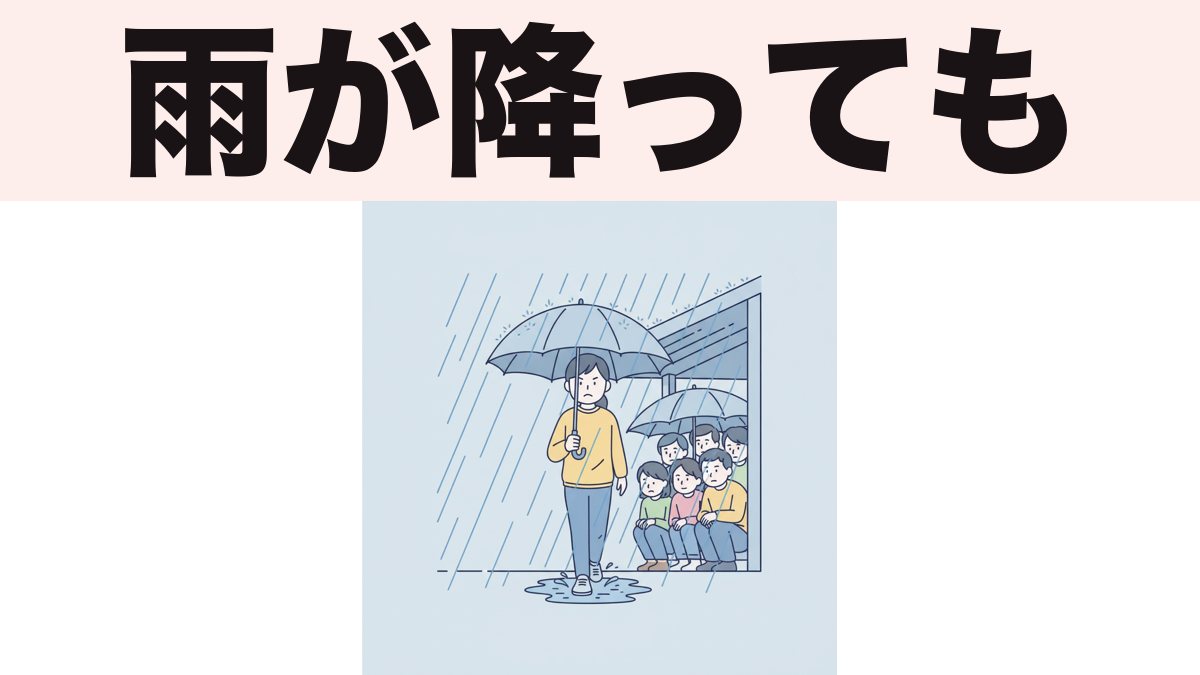
〜ても means "even if" or "even though": you do A, and B happens anyway. It is the te-form plus も, and when you put a question word in front of it, the whole thing turns into "no matter what" — which is where most of its real-world value is.
「〜ても」は「〜しても」という意味です。Aをしても、Bになります。作り方は「て形」+「も」です。そして前に疑問詞を置くと「何をしても」」「どんなことをしても」になります。本当に役に立つのは、こちらです。
Learners usually arrive at this having already met 〜てもいいですか for permission, without noticing that it is the same grammar. 食べてもいいですか is literally "even if I eat it, is it fine?" Once you see that, ても stops being a new item and becomes a piece you already own.
The basics
How to build it
Take the te-form and add も.
| Type | Form | 〜ても |
|---|---|---|
| Verb | 行く → 行って | 行っても |
| Verb, negative | 行かない → 行かなくて | 行かなくても |
| い-adjective | 高い → 高くて | 高くても |
| な-adjective | 便利だ → 便利で | 便利でも |
| Noun | 学生だ → 学生で | 学生でも |
For adjectives and nouns, the connector is で or くて — the same te-form logic applied to non-verbs. 高いでも is the standard mistake; it has to be 高くても.
雨が降っても、行きます。 — Even if it rains, I'm going. 高くても買います。 — Even if it's expensive, I'll buy it. 学生でも入れます。 — Even students can enter.
The two meanings, and how to tell them apart
〜ても covers both "even if" (hypothetical) and "even though" (factual), and the tense of the second half decides which.
明日雨が降っても、行きます。 — Even if it rains tomorrow, I'll go. (hasn't happened) 雨が降っても、行きました。 — Even though it rained, I went. (it did happen)
English needs two different phrases. Japanese uses one form and lets the rest of the sentence sort it out, which is a pattern you will see again and again.
Question word + ても = "no matter what"
This is where ても earns its place. Put a question word in front and you get a blanket statement.
| Pattern | Meaning |
|---|---|
| 何をしても | no matter what I do |
| 誰が来ても | no matter who comes |
| どこへ行っても | wherever I go |
| いつ来ても | whenever you come |
| いくら〜ても | no matter how much |
| どんなに〜ても | however much |
何を言っても、彼は聞かない。 — No matter what I say, he won't listen. どこへ行っても、人が多い。 — Wherever you go, it's crowded. いくら食べても、太らない。 — No matter how much I eat, I don't gain weight.
いくら〜ても and どんなに〜ても are worth memorising as fixed shapes. They are extremely common, and both need the ても at the end — いくら食べて alone is not a sentence.
Beyond the basics
ても vs けど vs のに
All three can translate as "but" or "though," and they are genuinely different.
| Form | What it says | Example |
|---|---|---|
| 〜ても | Even if / even though — general or hypothetical | 雨が降っても行きます |
| 〜けど / 〜が | But — a plain factual contrast | 雨が降っているけど、行きます |
| 〜のに | Despite — and I'm surprised or annoyed | 雨が降っているのに、行くの? |
The one to get right is のに. It is not neutral: it carries a complaint or surprise that ても does not.
勉強したけど、できなかった。 — I studied, but I couldn't do it. (flat statement) 勉強したのに、できなかった。 — I studied, and still couldn't do it. (frustrated) 勉強しても、できない。 — Even if I study, I can't do it. (general truth about me)
If you are describing one specific thing that already happened, けど or のに. If you are making a general or hypothetical claim, ても.
The permission grammar is the same grammar
〜てもいいですか is just ても plus いい plus a question.
食べてもいいですか。 — Literally: even if I eat it, is it fine?
And its negative partner, 〜なくてもいい, is the same thing with a negative verb: even if I don't, it's fine. Three grammar points from three different textbook chapters, and one construction underneath all of them.
〜ても〜ても: doubling it for emphasis
Repeating the same verb in ても form means the action goes on and on with no result.
待っても待っても、来なかった。 — I waited and waited, and he never came. やってもやっても、終わらない。 — No matter how much I do, it never ends.
This is the same doubling instinct behind 〜ば〜ほど: repeating a verb in Japanese turns a single action into a process. Here the process is futile, which is exactly the feeling being conveyed.
How does it sound in anime?
The question-word patterns carry a lot of declarative dialogue, because "no matter what" is what a character says when they have decided something:
何があっても守る。 — No matter what happens, I'll protect you. 何度やっても同じだ。 — However many times you try, it's the same. どんなに離れていても。 — However far apart we are.
何があっても is close to a fixed phrase and is worth learning whole. Note that these lines almost always leave the second half short or unsaid — the ても clause does the heavy lifting and the conclusion is a few syllables, which is where the weight lands.
でも as a word of its own
Separately from the grammar, でも is a whole set of everyday words, and they are worth collecting because they are short and high-frequency.
でも、行きます。 — But I'm going. (sentence-initial "but") お茶でも飲みませんか。 — Shall we have tea or something? (でも softening a suggestion) 誰でもできます。 — Anyone can do it. (question word + でも) いつでもいいですよ。 — Any time is fine.
That third and fourth pattern is the noun version of the question-word ても: 何でも ("anything"), 誰でも ("anyone"), どこでも ("anywhere"), いつでも ("any time"). Same idea, attached to a noun rather than a verb — and 何でもいい ("anything's fine") is probably the single most-used of the lot.
Common mistakes
- 高いでも. い-adjectives take くても: 高くても. Only nouns and な-adjectives take でも.
- Using ても for a single past fact. 雨が降っても行きました works, but for a plain "it rained, but I went" about one specific day, けど is more natural.
- Using ても where のに is meant. ても is neutral; のに carries frustration. 約束したのに来なかった ("he promised and still didn't come") loses its whole point as 約束しても.
- Dropping the ても in いくら〜ても. いくら食べて is unfinished. The pattern needs both halves.
- Forgetting the negative form. "Even if I don't go" is 行かなくても, built on なくて — not 行かないでも.
- Treating 〜てもいい as unrelated. It is the same ても. Seeing the connection saves you memorising three patterns separately.
Practice
Answers are hidden — build yours first, then open. Questions 5 and 6 are a pair: the same facts, and the connector decides whether you are complaining.
1. Make 行く into the 〜ても form.
Show answer
行っても — te-form 行って plus も. Negative: 行かなくても, built on なくて.
2. Something is wrong here: 高いでも買います。
Show answer
高くても買います — い-adjectives use くても. でも is only for nouns and な-adjectives: 学生でも, 便利でも.
3. Say "no matter what I say, he won't listen."
Show answer
何を言っても、彼は聞かない — a question word plus ても gives you "no matter what." The same shape works with 誰が, どこへ and いつ.
4. Say "no matter how much I eat, I don't gain weight."
Show answer
いくら食べても、太らない — いくら〜ても is a fixed pair and needs both halves. いくら食べて on its own is unfinished.
5. What does 勉強したけど、できなかった mean?
Show answer
"I studied, but I couldn't do it" — a flat factual contrast about one occasion. No feeling attached.
6. What does 勉強したのに、できなかった add?
Show answer
Frustration — のに says "and still." This is the pair to question 5: identical facts, and のに tells the listener how you feel about them.
7. What is 食べてもいいですか literally asking?
Show answer
"Even if I eat it, is it fine?" — the permission grammar is this same ても plus いい. One construction, three textbook chapters.
8. What does 待っても待っても、来なかった mean, and why the repetition?
Show answer
"I waited and waited, and he never came" — doubling a verb in ても form turns one action into a drawn-out, futile process. The repetition is the feeling.
9. Say "even if it rains tomorrow, I'll go."
Show answer
明日雨が降っても、行きます — the non-past ending makes it hypothetical. Change 行きます to 行きました and the same clause becomes "even though it rained."
10. How do you say "even if I don't go"?
Show answer
行かなくても — the negative ない becomes なくて, then も. 行かないでも is not the standard form.
FAQ
What is the difference between でも at the start of a sentence and 〜ても? Completely different words that look alike. でも at the start means "but": でも、行きます ("but I'll go"). 〜ても is attached to a verb or adjective and means "even if." The give-away is position.
Is 〜ても formal? Neutral — it works in speech, writing and business alike. The question-word patterns (何があっても, どんなに〜ても) lean slightly dramatic, which is why they appear so often in fiction and in speeches.
Can I use ても with a request? Yes, and it is common: 高くても買ってください ("buy it even if it's expensive"). This is one of the places ても is more flexible than a conditional like と, which cannot be followed by a request at all.
What about 〜としても? A more emphatic, slightly formal "even supposing": 本当だとしても、遅すぎる ("even supposing it's true, it's too late"). Recognise it in writing; ても covers your speaking needs.
How is どんなに〜ても different from いくら〜ても? They overlap heavily. いくら leans toward quantity and effort (いくら払っても, "no matter how much I pay"); どんなに leans toward degree and intensity (どんなに辛くても, "however hard it is"). Either is usually understood.
Why does 何があっても sound so final? Because it closes off every alternative before the sentence even reaches its point. A speaker who says 何があっても has pre-emptively ruled out every objection, which is why it is the line characters use right before doing something difficult.
Vocabulary from this article
Tap the block to select all of it, then copy. In Anki: File → Import, note type Basic, separator Tab — the first column becomes the front, the second the back.
雨	あめ — rain
降る	ふる — to fall (rain, snow)
高い	たかい — expensive, tall
買う	かう — to buy
学生	がくせい — student
入る	はいる — to enter
言う	いう — to say
聞く	きく — to listen, to ask
太る	ふとる — to gain weight
勉強	べんきょう — study
約束	やくそく — a promise
待つ	まつ — to wait
終わる	おわる — to end, to finish
守る	まもる — to protect
何度	なんど — how many times
離れる	はなれる — to be apart
便利	べんり — convenient
辛い	つらい — hard, painful
払う	はらう — to pay
本当	ほんとう — true, real
I'm Yuuki, a Japanese teacher based in Tokyo. I've taught on italki as a Top 1% teacher and watched over 1,500 anime. Most learners already own this grammar without knowing it — they have been asking 食べてもいいですか for a year — so the lesson is usually not teaching ても at all, it is pointing at the thing they already say.
Sources: the author's own lessons and standard reference grammars.
多くの人は、この形に会う前に「〜てもいいですか」を覚えています。でも、同じ文法だと気づいていません。「食べてもいいですか」は、そのまま読むと「食べても、いいですか」です。それが分かると、「ても」は新しいものではなく、もう持っている部品になります。
基本
作り方
「て形」に「も」をつけます。
| 種類 | 形 | 〜ても |
|---|---|---|
| 動詞 | 行く → 行って | 行っても |
| 動詞・否定 | 行かない → 行かなくて | 行かなくても |
| い形容詞 | 高い → 高くて | 高くても |
| な形容詞 | 便利だ → 便利で | 便利でも |
| 名詞 | 学生だ → 学生で | 学生でも |
形容詞と名詞は「で」か「くて」です。動詞の「て形」と同じ考え方です。「高いでも」がよくある間ちがいで、正しくは「高くても」です。
雨が降っても、行きます。 — Even if it rains, I'm going. 高くても買います。 — Even if it's expensive, I'll buy it. 学生でも入れます。 — Even students can enter.
2つの意味と、その見分け方
「〜ても」は「もし〜しても」(まだ起きていない)と「〜したけれど」(起きた)の両方を表します。決めるのは、後ろの半分の時制です。
明日雨が降っても、行きます。 — Even if it rains tomorrow, I'll go. (まだ) 雨が降っても、行きました。 — Even though it rained, I went. (起きた)
英語は2つの言い方が必要です。日本語は1つの形で、あとは文の残りが決めます。
疑問詞+てもても「どんなに〜でも」
ここが「ても」の本番です。前に疑問詞を置くと、ぜんぶをふくむ言い方になります。
| 形 | 意味 |
|---|---|
| 何をしても | どんなことをしても |
| 誰が来ても | だれが来ても |
| どこへ行っても | どこへ行っても |
| いつ来ても | いつ来ても |
| いくら〜ても | どれだけ〜しても |
| どんなに〜ても | どんなに〜でも |
何を言っても、彼は聞かない。 — No matter what I say, he won't listen. どこへ行っても、人が多い。 — Wherever you go, it's crowded. いくら食べても、太らない。 — No matter how much I eat, I don't gain weight.
「いくら〜ても」「どんなに〜ても」は、形ごと覚えてください。とてもよく使いますし、両方の半分がそろわないと文になりません。「いくら食べて」だけでは終わりません。
もう少し先へ
ても・けど・のに
3つとも「but」になりますが、本当にちがいます。
| 形 | 何を言うか | 例 |
|---|---|---|
| 〜ても | 〜しても・一ぱん的/まだ起きていない | 雨が降っても行きます |
| 〜けど / 〜が | でも・ただの事実 | 雨が降っているけど、行きます |
| 〜のに | なのに・おどろき/不満が入る | 雨が降っているのに、行くの? |
気をつけるのは「のに」です。中立ではありません。「ても」にない不満やおどろきが入ります。
勉強したけど、できなかった。 — I studied, but I couldn't do it. (事実だけ) 勉強したのに、できなかった。 — I studied, and still couldn't do it. (くやしい) 勉強しても、できない。 — Even if I study, I can't do it. (いつもそう)
1回の出来事の話なら「けど」か「のに」、一ぱん的な話や仮の話なら「ても」です。
きょかの文法も、同じ文法です
「〜てもいいですか」は、「ても」+「いい」+質問です。
食べてもいいですか。 — そのまま読むと「食べても、いいですか」。
否定のペア「〜なくてもいい」も同じです。「しなくても、いい」。教科書では3つの章に分かれていますが、下にあるのは1つの形です。
〜ても〜ても: くり返して強める
同じ動詞を2回「ても」の形にすると、いくらやっても結果が出ない、という意味になります。
待っても待っても、来なかった。 — I waited and waited, and he never came. やってもやっても、終わらない。 — No matter how much I do, it never ends.
「〜ば〜ほど」と同じで、動詞をくり返すと1回の動作が「ずっと続くこと」になります。ここではそれがむだな感じになり、それがまさに伝えたい気もちです。
アニメではどう聞こえますか?
疑問詞の形が、決意のせりふによく出ます。「何があっても」は、もう決めた人のことばだからです。
何があっても守る。 — No matter what happens, I'll protect you. 何度やっても同じだ。 — However many times you try, it's the same. どんなに離れていても。 — However far apart we are.
「何があっても」は決まった言い方に近いので、まるごと覚えてください。この形のせりふは、後ろの半分がとても短いか、言われないことが多いです。重さは「ても」の側にあります。
ことばとしての「でも」
文法とはべつに、「でも」は毎日使うことばのグループでもあります。短くて、よく出ます。
でも、行きます。 — But I'm going. (文のはじめの「しかし」) お茶でも飲みませんか。 — Shall we have tea or something? (さそいをやわらかくする) 誰でもできます。 — Anyone can do it. (疑問詞+でも) いつでもいいですよ。 — Any time is fine.
3つめと4つめは、疑問詞+「ても」の名詞版です。何でも・誰でも・どこでも・いつでも。考え方は同じで、動詞ではなく名詞につきます。「何でもいい」がいちばんよく使われます。
よくある間違い
- 高いでも。 「い形容詞」は「くても」です。「でも」は名詞と「な形容詞」だけです。
- 1回の過去の事実に「ても」。 「雨が降っても行きました」も言えますが、ある日1回の話なら「けど」が自然です。
- 「のに」のかわりに「ても」。 「ても」は中立、「のに」は不満です。「約束したのに来なかった」を「約束しても」にすると、意味が消えます。
- 「いくら〜ても」の「ても」を落とすこと。 「いくら食べて」では終わりません。
- 否定の形。 「行かなくても」です。「行かないでも」ではありません。
- 「〜てもいい」を別のものだと思うこと。 同じ「ても」です。つながりが見えると、3つ覚えなくてよくなります。
練習
答えはかくれています。まず自分の答えを作ってから開いてください。5番と6番は対になっています。
1. 「行く」を「〜ても」の形にしてください。
答えを見る
行っても — て形「行って」+「も」です。否定は「行かなくても」で、「なくて」から作ります。
2. 直してください: 高いでも買います。
答えを見る
高くても買います — 「い形容詞」は「くても」です。「でも」は名詞と「な形容詞」(学生でも・便利でも)だけです。
3. 「何を言っても、彼は聞かない」と言ってください。
答えを見る
何を言っても、彼は聞かない — 疑問詞+「ても」で「どんなに〜でも」になります。「誰が」「どこへ」「いつ」も同じ形です。
4. 「いくら食べても太らない」と言ってください。
答えを見る
いくら食べても、太らない — 「いくら〜ても」は決まった形で、両方そろわないと文になりません。
5. 「勉強したけど、できなかった」はどんな意味ですか。
答えを見る
勉強したが、できなかった — 1回の出来事の、ただの事実です。気もちは入りません。
6. 「勉強したのに、できなかった」は何を足しますか。
答えを見る
くやしさ — 「のに」は「それなのに」と言います。5番と同じ事実で、「のに」が気もちを伝えています。
7. 「食べてもいいですか」は、そのまま読むと何ですか。
答えを見る
「食べても、いいですか」 — きょかの文法は、この「ても」+「いい」です。1つの形が3つの章に分かれているだけです。
8. 「待っても待っても、来なかった」はなぜくり返しますか。
答えを見る
むだに続いた感じを出すためです — 動詞を2回「ても」にすると、1回の動作が長く続く、結果の出ないことになります。
9. 「明日雨が降っても、行きます」と言ってください。
答えを見る
明日雨が降っても、行きます — 後ろが「ます」なので、まだ起きていない仮の話です。「行きました」にすると「降ったけれど行った」になります。
10. 「行かなくても」の作り方を説明してください。
答えを見る
「行かない」→「行かなくて」→「行かなくても」 — 「ない」は「い形容詞」なので「なくて」になります。「行かないでも」は標準の形ではありません。
よくある質問
文のはじめの「でも」と「〜ても」はちがいますか。 まったくちがうことばです。文のはじめの「でも」は「しかし」です。「〜ても」は動詞や形容詞についています。場所で見分けられます。
「〜ても」はかたいですか。 中立です。会話でも、文章でも、仕事でも使えます。疑問詞の形(何があっても・どんなに〜ても)は少しドラマチックなので、小説やスピーチによく出ます。
おねがいといっしょに使えますか。 使えます。「高くても買ってください」。条件の「と」は後ろにおねがいを置けませんが、「ても」は置けます。
「〜としても」は何ですか。 もっと強くて、少しかたい「たとえ〜だとしても」です。「本当だとしても、遅すぎる」。読んで分かればいいです。
「どんなに〜ても」と「いくら〜ても」はちがいますか。 かなり重なります。「いくら」は量やお金・努力(いくら払っても)、「どんなに」は程度や強さ(どんなに辛くても)に寄ります。どちらでも通じます。
「何があっても」がなぜ強く聞こえますか。 文が終わる前に、ほかの可能せいをぜんぶ消しているからです。だから、むずかしいことをする直前のせりふになります。
この記事に出た単語
ブロックをタップすると全部選べます。そのままコピーしてください。Anki では ファイル → 読み込み、ノートタイプ 基本、区切り タブ。1列目が表、2列目が裏になります。
雨	あめ — rain
降る	ふる — to fall (rain, snow)
高い	たかい — expensive, tall
買う	かう — to buy
学生	がくせい — student
入る	はいる — to enter
言う	いう — to say
聞く	きく — to listen, to ask
太る	ふとる — to gain weight
勉強	べんきょう — study
約束	やくそく — a promise
待つ	まつ — to wait
終わる	おわる — to end, to finish
守る	まもる — to protect
何度	なんど — how many times
離れる	はなれる — to be apart
便利	べんり — convenient
辛い	つらい — hard, painful
払う	はらう — to pay
本当	ほんとう — true, real
私はユウキです。東京で日本語を教えています。 italki の Top 1% の先生で、アニメは1,500本以上見ました。ほとんどの人は、気づかないままこの文法を持っています。1年前から「食べてもいいですか」と言っているからです。だからレッスンでやることは、教えることではなく、もう言っていることを指さすことです。
More drills like the ones above, plus a timed JLPT-style mock test: Practice · N4上のような練習問題と、時間つきのJLPT形式のもぎ試験: 練習ページ · N4
Want to try this in a real conversation?
本当の会話で、ためしてみませんか?
30-minute trial lesson, $13. Times shown in your own timezone.
30分の体験レッスン、$13。時間はあなたのタイムゾーンで表示されます。
Book a trial lesson · $13