Japanese plurals: 〜たち, 〜ら, 〜がた — and why 本 means both book and books日本語の複数: 〜たち・〜ら・〜がた と、「本」が1冊でも何冊でもいい理由
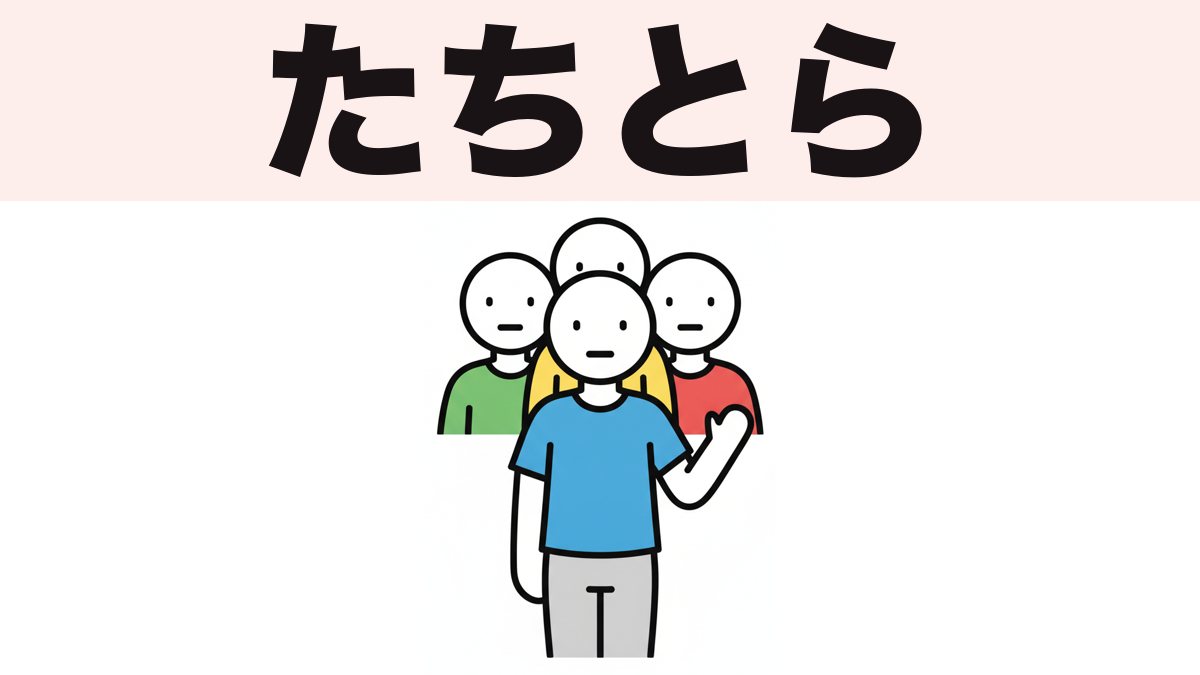
Japanese nouns have no plural form — 本 is "book" or "books" depending on context — and the suffixes learners treat as plurals (〜たち, 〜ら, 〜がた, 〜ども) attach almost only to people, adding "and the group around them" rather than simple number.
日本語の名詞は、数を表しません。「本」は1冊でも何冊でも「本」です。「〜たち」「〜ら」「〜がた」「〜ども」は、ほとんど人にしか付きません。そして「数」より「その人を中心にしたグループ」を表します。
This is a place where translating from English produces sentences that are not wrong so much as strange. 本たち is not an error in grammar; it is an error in worldview, and it makes your books sound like a small society.
The basics
How does Japanese show "more than one"?
Usually it does not. Number comes from context, or from a counter when it matters.
本を買いました。 — I bought a book / I bought books. (polite, number unspecified) 本を三冊買いました。 — I bought three books. (polite, counter specifies) たくさんの人がいます。 — There are a lot of people. (polite, quantity word)
If the number matters, you say the number. If it does not, Japanese leaves it out, which is why "how many" questions come up more often than in English — the full set of counting words is in Japanese counters.
What does 〜たち actually do?
It marks a group centred on the noun, and it attaches to people and other animate nouns.
学生たち。 — The students. (a group of students) 私たち。 — We / us. (the group including me) 子供たち。 — The children. (polite-neutral)
On a person's name it does something English has no single word for: it means "that person and the people with them."
田中さんたちは先に帰りました。 — Tanaka and the others went home first. (polite)
田中さんたち is not several people called Tanaka. It is Tanaka's group, which is enormously useful once you notice it — and impossible to guess from the English word "plural."
Can you use 〜たち on objects?
Not normally. 本たち, 車たち and 机たち all read as personification — sweet in a children's book, odd in conversation.
× 本たちを買いました。 — (sounds like the books are a group of friends) ○ 本をたくさん買いました。 — I bought a lot of books. (polite, the natural version)
The exception is deliberate: fiction, advertising and pet-owner speech do it on purpose to make objects feel alive. If you are not aiming for that effect, use a quantity word instead.
What is the difference between 〜たち and 〜ら?
〜ら is the rougher, more casual sibling. It attaches to the same kinds of nouns and lowers the register.
僕ら。 — We. (casual, friendly) 彼ら。 — They. (neutral-written, the standard word for "they") お前ら。 — You lot. (rude, common in fiction)
彼ら is the odd one out: despite the ら, it is the ordinary word for "they" in writing and speech. お前ら is genuinely rough, which is why it is everywhere in anime and nowhere in a polite conversation — the same register problem as the first-person pronouns in おれ, ぼく, わたし.
Beyond the basics
The four suffixes, compared
| Suffix | Attaches to | Register | Example |
|---|---|---|---|
| 〜たち | People, animals, some animate nouns | Neutral, safe default | 学生たち, 私たち |
| 〜ら | People, pronouns | Casual to rough | 僕ら, あいつら |
| 〜がた | People you are honouring | Honorific | 先生がた, あなたがた |
| 〜ども | Yourself/your side, or contempt | Humble or rude | 私ども, 野郎ども |
〜ども is the strange one because it points in two opposite directions. 私ども is a humble "we" used by shop staff and companies about themselves. Attached to someone else, it is insulting. Humble about yourself, rude about others — a split that runs through a lot of Japanese, and the same instinct behind honorifics.
What about 人々 and the repeat mark?
A small set of nouns pluralises by doubling, written with the repeat mark 々.
人々。 — People. (written, slightly literary) 山々。 — Mountains. (written) 国々。 — Countries / nations. (written) 時々。 — Sometimes. (everyday — note this one is an adverb, not a plural)
This is a closed set. You cannot invent 本々 or 猫々; the ones that exist are fixed vocabulary, and most feel written rather than spoken. 時々 has drifted into "from time to time" and no longer works as a plural of 時 at all.
How do you say "we", "you" and "they"?
By adding a plural suffix to the singular pronoun — which is why the pronoun choice carries all the register information.
私たち / 僕ら / 俺たち。 — We. (polite / casual / rough) あなたたち / 君たち / お前ら。 — You (plural). (polite / casual / rough) 彼ら / 彼女たち。 — They (m or mixed) / they (f). (neutral)
In practice Japanese drops all of these whenever context allows. うちの会社 ("our company") and みんな ("everyone") do far more work than 私たち does, and over-using pronouns is one of the clearest markers of a translated sentence.
What do you say instead of a plural?
Four things, all more natural than a suffix:
- A counter. 学生が三人います — three students, exactly.
- A quantity word. たくさん, 多くの, いくつか — many, much, several.
- みんな or 全員. みんな来ました, "everyone came."
- Nothing at all. 犬が好きです means "I like dogs," with no plural marking anywhere.
That last one is the habit to build. English forces a choice between "dog" and "dogs" in every sentence; Japanese lets you say the noun and move on, and learning to leave it unmarked is most of what sounding natural means here.
Does 〜たち change the grammar of the sentence?
No. Japanese verbs and adjectives do not agree with number, so adding たち changes nothing else.
学生が来ました。 — The student came / the students came. (polite) 学生たちが来ました。 — The students came. (polite, group emphasised)
The verb is identical in both. This is why the suffix is optional in a way an English plural never is — it adds emphasis on the group, not grammatical information the sentence needs. The particle in front of it does the real structural work, which is the subject of は vs が.
Common mistakes
- 本たち, 車たち, 猫たち for ordinary objects. Personification. Use a counter or たくさん. (猫たち is acceptable — animals are borderline — but 猫が三匹 is more natural.)
- Assuming 田中さんたち means several Tanakas. It means Tanaka and the people with them.
- Using 私たち in every sentence. Japanese drops pronouns. うち, みんな, or nothing at all is usually better.
- お前ら because anime uses it. It is rough. 皆さん is the word you want for a group you are addressing.
- Treating 〜ども as a neutral plural. 私ども is humble; 〜ども on someone else is contemptuous.
- Inventing 々 forms. 人々 and 山々 exist; 本々 does not. The set is closed.
Practice
Answers are hidden — build yours first, then open. Questions 1 and 2 are a pair: the same English sentence, two different structures.
1. Say "I bought books" — quantity unspecified.
Show answer
本を買いました — no plural marking at all. Japanese leaves number out unless it matters.
2. Now say "I bought three books."
Show answer
本を三冊買いました — the counter carries the number. This is the pair to question 1: 本たち was never an option in either.
3. Say "Tanaka and the others went home first," politely.
Show answer
田中さんたちは先に帰りました — 〜たち on a name means that person plus their group, not several Tanakas.
4. What is wrong with 机たちを買いました?
Show answer
〜たち personifies objects — it makes the desks sound like a group of people. Say 机をたくさん買いました or use a counter.
5. Say "we" three ways: polite, casual, rough.
Show answer
私たち / 僕ら / 俺たち — the pronoun carries the register; the suffix only marks the group.
6. You are a shop assistant speaking about your own company. Say "we."
Show answer
私ども — the humble plural, standard in business. Used about anyone else, 〜ども is insulting.
7. Address a group of teachers respectfully.
Show answer
先生がた — 〜がた is the honorific plural. 先生たち is not rude, but がた is the respectful choice.
8. Say "there are three students," politely.
Show answer
学生が三人います — a counter, not a plural suffix. 学生たちがいます would be about the group, not the number.
9. Say "I like dogs."
Show answer
犬が好きです — no plural anywhere. This is the habit to build: state the noun and move on.
10. A character shouts お前ら! — what register is that, and what would you say instead?
Show answer
Rough and confrontational; say 皆さん — お前ら is fine in fiction and between very close friends, and nowhere else.
FAQ
Is 〜たち ever wrong with animals? Not wrong. 犬たち and 猫たち are used, especially when the animals are familiar or pets. For plain counting, 犬が三匹 is more natural.
Why is 彼ら the normal word for "they" if ら is casual? Because 彼ら fossilised as ordinary vocabulary. It appears in newspapers and formal writing without sounding rough, unlike 僕ら or あいつら.
How do I make a name plural properly? You do not — 〜たち on a name creates "that person's group." If you genuinely mean several people with the same surname, you would say 田中さんという人が二人.
Does Japanese ever need a plural? Almost never grammatically. The only places it matters are when the group itself is the point (私たち vs 私) or when a counter is required for clarity.
Is 皆さん a plural? Effectively yes — it means "everyone" as a polite address, and it is what to use for a group you are speaking to. 皆さんたち is redundant and wrong.
What about 我々? A formal, slightly grand "we," used in speeches and by characters who want to sound weighty. Correct, and noticeably stiff in ordinary conversation.
Vocabulary from this article
Tap the block to select all of it, then copy. In Anki: File → Import, note type Basic, separator Tab — the first column becomes the front, the second the back.
〜たち	たち — plural suffix for people (group of)
〜ら	ら — plural suffix, casual to rough
〜がた	がた — plural suffix, honorific
〜ども	ども — plural suffix, humble or contemptuous
私たち	わたしたち — we (polite)
僕ら	ぼくら — we (casual)
彼ら	かれら — they
彼女たち	かのじょたち — they (female)
君たち	きみたち — you (plural, casual)
お前ら	おまえら — you lot (rough)
私ども	わたくしども — we (humble, business)
我々	われわれ — we (formal, weighty)
先生がた	せんせいがた — teachers (honorific)
皆さん	みなさん — everyone (polite address)
全員	ぜんいん — all members, everyone
人々	ひとびと — people
山々	やまやま — mountains
国々	くにぐに — countries
時々	ときどき — sometimes
多くの	おおくの — many, much
いくつか	いくつか — several, a few
I'm Yuuki, a Japanese teacher based in Tokyo. I've taught on italki as a Top 1% teacher and watched over 1,500 anime. Students find the missing plural unsettling for about a week and then stop noticing it — the one that never stops being useful is 〜たち on a name, because "Tanaka and the people he came with" is a thing English needs a whole clause to say.
Sources: the author's own lessons and standard reference grammars.
ここは、英語からそのまま置きかえると、まちがいではないのに変になる所です。「本たち」は文法の間違いというより、世界の見方の間違いです。本が小さい社会のように聞こえます。
基本
「2つ以上」はどう表す?
たいてい、表しません。場面でわかります。大事な時だけ、助数詞で言います。
本を買いました。 — I bought a book / books. (ていねい。数は言わない) 本を三冊買いました。 — I bought three books. (ていねい。助数詞で決める) たくさんの人がいます。 — There are a lot of people. (ていねい。量の言葉)
数が大事なら、数を言います。大事でなければ、言いません。だから「何冊ですか」のような質問が、英語より多くなります。数え方は 助数詞 にあります。
「〜たち」は何をする?
その名詞を中心にしたグループを表します。人や動物など、生きているものに付きます。
学生たち。 — The students. (学生のグループ) 私たち。 — We / us. (私を入れたグループ) 子供たち。 — The children.
人の名前に付くと、英語に1語では無い意味になります。「その人と、いっしょにいる人たち」です。
田中さんたちは先に帰りました。 — Tanaka and the others went home first. (ていねい)
「田中さんたち」は「田中さんが何人もいる」ではありません。「田中さんのグループ」です。とても便利ですが、「複数形」という言葉からは想像できません。
物に「〜たち」は付けられる?
ふつうは付けません。「本たち」「車たち」「机たち」は、物を人のようにあつかう言い方になります。絵本ならかわいいですが、会話では変です。
× 本たちを買いました。 — (本が友だちの集まりのように聞こえる) ○ 本をたくさん買いました。 — I bought a lot of books. (ていねい。自然な形)
わざとやることはあります。物語・広告・ペットの話では、物を生きているように見せるために使います。そうしたいのでなければ、量の言葉を使います。
「〜たち」と「〜ら」のちがいは?
「〜ら」の方が、くだけていて少し乱暴です。付く相手は同じで、ていねいさが下がります。
僕ら。 — We. (カジュアル。親しい感じ) 彼ら。 — They. (ふつう。書き言葉でも使う「they」) お前ら。 — You lot. (失礼。作品でよく使う)
「彼ら」だけは別です。「ら」が付いていても、書く時も話す時もふつうの「they」です。「お前ら」は本当に乱暴です。だからアニメには多く、ていねいな会話には出てきません。この感じは おれ・ぼく・わたし と同じ話です。
もう少し先へ
4つの比べ方
| 接尾語 | 付く相手 | 丁寧さ | 例 |
|---|---|---|---|
| 〜たち | 人・動物など | ふつう。安全な形 | 学生たち, 私たち |
| 〜ら | 人・代名詞 | カジュアル〜乱暴 | 僕ら, あいつら |
| 〜がた | うやまう相手 | 尊敬 | 先生がた, あなたがた |
| 〜ども | 自分の側、または見下す相手 | けんそん または 失礼 | 私ども, 野郎ども |
「〜ども」は、反対の2つの方向を向いています。「私ども」は、店や会社が自分たちのことを言う、けんそんの「we」です。相手に付けると、失礼になります。自分にはけんそん、相手には失礼。この考え方は 敬称 と同じです。
「人々」と「々」は?
少しの名詞だけ、同じ字をくり返して複数にします。書く時は「々」を使います。
人々。 — People. (書き言葉に近い) 山々。 — Mountains. (書き言葉) 国々。 — Countries. (書き言葉) 時々。 — Sometimes. (毎日使う。これは副詞で、複数ではない)
この形は、決まったものだけです。「本々」「猫々」は作れません。今あるものは、単語として決まっています。「時々」は「ときどき」の意味になっていて、もう「時」の複数ではありません。
「私たち」「あなたたち」「彼ら」は?
単数の代名詞に複数の形を足します。だから、ていねいさは代名詞が決めます。
私たち / 僕ら / 俺たち。 — We. (ていねい / カジュアル / 乱暴) あなたたち / 君たち / お前ら。 — You (plural). (ていねい / カジュアル / 乱暴) 彼ら / 彼女たち。 — They. (ふつう)
実際には、場面でわかるなら全部言いません。「うちの会社」「みんな」の方が、「私たち」よりずっとよく使います。代名詞を言いすぎるのは、翻訳っぽい日本語のいちばん分かりやすいしるしです。
複数のかわりに何を言う?
4つあります。どれも接尾語より自然です。
- 助数詞。 「学生が三人います」」ちょうど3人。
- 量の言葉。 「たくさん」「多くの」「いくつか」。
- 「みんな」「全員」。 「みんな来ました」。
- 何も付けない。 「犬が好きです」」 I like dogs。複数のしるしはどこにもありません。
最後がいちばん大事なくせです。英語は毎回「dog か dogs か」を決めます。日本語は、名詞を言って次に進みます。付けないでいられることが、自然さのほとんどです。
「〜たち」で文法は変わる?
変わりません。日本語の動詞と形容詞は、数に合わせて形を変えません。
学生が来ました。 — The student came / the students came. (ていねい) 学生たちが来ました。 — The students came. (ていねい。グループを強調)
動詞はどちらも同じです。だから、この接尾語は英語の複数形とちがって「なくてもいい」のです。文に必要な情報ではなく、グループを強調するだけです。文の形を決めているのは前の助詞で、それは は と が の話です。
よくある間違い
- ふつうの物に「本たち」「車たち」。 人のようになります。助数詞か「たくさん」を使います。(「猫たち」は使えます。動物は境目です。でも「猫が三匹」の方が自然です。)
- 「田中さんたち」を「田中さんが何人も」と読む。 「田中さんと、いっしょの人たち」です。
- 毎回「私たち」を言う。 日本語は代名詞を落とします。「うち」「みんな」、または何も言わない方が自然です。
- アニメで見た「お前ら」を使う。 乱暴です。呼びかけるなら「皆さん」です。
- 「〜ども」をふつうの複数だと思う。 「私ども」はけんそん。相手に付けると見下す言い方です。
- 「々」の形を自分で作る。 「人々」「山々」はあります。「本々」はありません。決まった形だけです。
練習
答えはかくしてあります。先に自分で作ってから開いてください。1と2は同じ内容で、形がちがいます。
1. 「本を買いました」(数は言わない)。
答えを見る
本を買いました — 複数のしるしは付けません。大事でなければ数は言いません。
2. 今度は「本を3冊買いました」。
答えを見る
本を三冊買いました — 助数詞が数を運びます。1でも2でも「本たち」は出てきません。
3. ていねいに「田中さんたちは先に帰りました」。
答えを見る
田中さんたちは先に帰りました — 名前に付く「〜たち」は「その人とグループ」です。「田中さんが何人も」ではありません。
4. 「机たちを買いました」はどこが変ですか。
答えを見る
「〜たち」は物を人のようにします — 机が人の集まりのようです。「机をたくさん買いました」か助数詞にします。
5. 「私たち」を、ていねい・カジュアル・乱暴の3つで。
答えを見る
私たち / 僕ら / 俺たち — ていねいさは代名詞が決めます。接尾語はグループを表すだけです。
6. あなたは店員です。自分の会社のことを「わたしたち」と言います。
答えを見る
私ども — けんそんの複数で、仕事ではふつうです。相手に「〜ども」を付けると失礼になります。
7. 先生たちに、うやまって呼びかけます。
答えを見る
先生がた — 「〜がた」は尊敬の複数です。「先生たち」も失礼ではありませんが、「がた」の方がていねいです。
8. ていねいに「学生が3人います」。
答えを見る
学生が三人います — 複数の接尾語ではなく助数詞です。「学生たちがいます」だと、数ではなくグループの話になります。
9. 「犬が好きです」と言ってください。
答えを見る
犬が好きです — 複数のしるしはどこにもありません。これが身につけたいくせです。
10. キャラクターが「お前ら!」と言いました。どんな言い方ですか。ふつうなら何と言いますか。
答えを見る
乱暴でけんかの言い方。ふつうは「皆さん」 — 「お前ら」は作品と、とても親しい友だちの間だけです。
よくある質問
動物に「〜たち」は使えますか。 使えます。「犬たち」「猫たち」は、なじみのある動物やペットによく使います。ただ数えるだけなら「犬が三匹」の方が自然です。
「ら」がカジュアルなのに、どうして「彼ら」はふつうなの。 「彼ら」は1つの単語として定着したからです。新聞やかたい文章にも出てきます。「僕ら」「あいつら」とはちがいます。
名前を複数にするには。 できません。名前に付く「〜たち」は「その人のグループ」になります。同じ名字の人が2人なら「田中さんという人が二人」と言います。
日本語に複数形は必要ないの。 文法としては、ほとんど必要ありません。必要なのは、グループそのものが話の中心の時(「私」と「私たち」)と、数をはっきりさせたい時だけです。
「皆さん」は複数ですか。 実際にはそうです。呼びかけの「みなさん」です。「皆さんたち」は重なっていて、まちがいです。
「我々」は? かたくて、少し重い「we」です。スピーチや、えらそうに話すキャラクターが使います。正しいですが、ふつうの会話では、かたく聞こえます。
この記事に出た単語
ブロックをタップすると全部選べます。そのままコピーしてください。Anki では ファイル → 読み込み、ノートタイプ 基本、区切り タブ。1列目が表、2列目が裏になります。
〜たち	たち — plural suffix for people (group of)
〜ら	ら — plural suffix, casual to rough
〜がた	がた — plural suffix, honorific
〜ども	ども — plural suffix, humble or contemptuous
私たち	わたしたち — we (polite)
僕ら	ぼくら — we (casual)
彼ら	かれら — they
彼女たち	かのじょたち — they (female)
君たち	きみたち — you (plural, casual)
お前ら	おまえら — you lot (rough)
私ども	わたくしども — we (humble, business)
我々	われわれ — we (formal, weighty)
先生がた	せんせいがた — teachers (honorific)
皆さん	みなさん — everyone (polite address)
全員	ぜんいん — all members, everyone
人々	ひとびと — people
山々	やまやま — mountains
国々	くにぐに — countries
時々	ときどき — sometimes
多くの	おおくの — many, much
いくつか	いくつか — several, a few
More drills like the ones above, plus a timed JLPT-style mock test: Practice · N4上のような練習問題と、時間つきのJLPT形式のもぎ試験: 練習ページ · N4
Want to try this in a real conversation?
本当の会話で、ためしてみませんか?
30-minute trial lesson, $13. Times shown in your own timezone.
30分の体験レッスン、$13。時間はあなたのタイムゾーンで表示されます。
Book a trial lesson · $13