残業, 出勤, 有給: the Japanese work vocabulary that arrives late and matters early残業・出勤・有給: 教科書に出るのが遅い、仕事の言葉
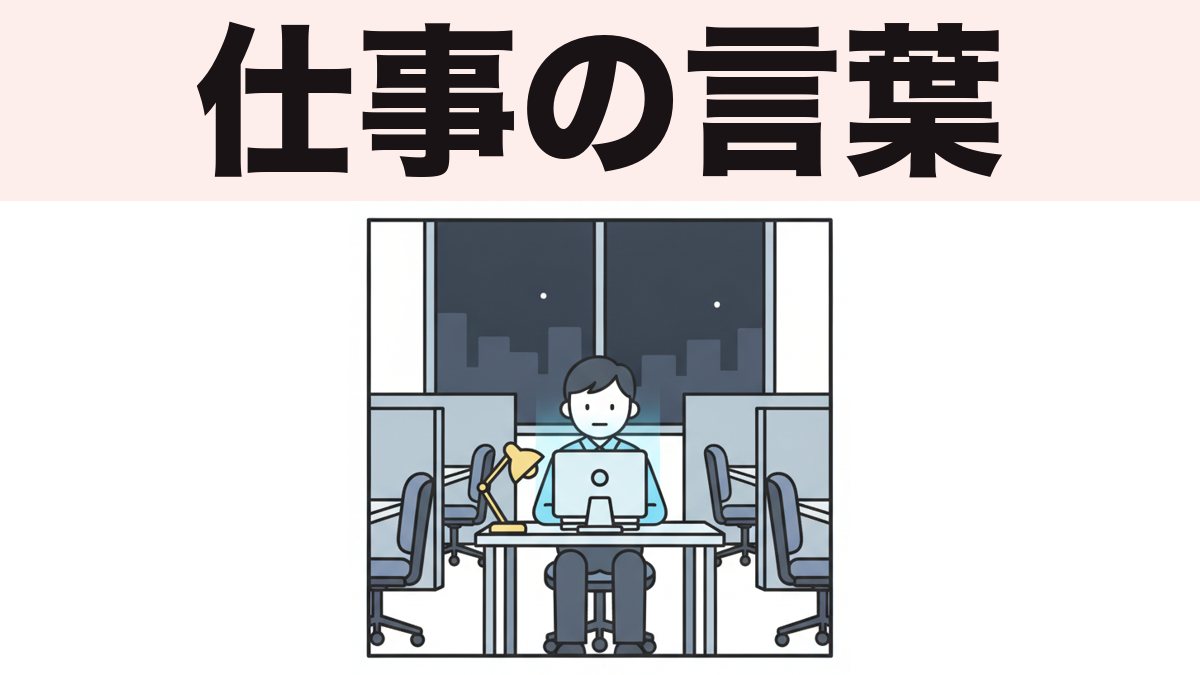
残業 is overtime — literally "remaining work" — and it belongs to a set of workplace words that beginners meet in conversation years before any textbook introduces them.
「残業」は overtime です。「残る」+「業(仕事)」でできています。この言葉は、教科書に出るより先に、会話に出てきます。
Textbooks teach 会社員 ("company employee") in chapter one and then leave the topic for a decade. Meanwhile, the first real conversation you have with a Japanese adult will land on work within about four minutes, and it will contain 残業, 出勤, 有給 and 転勤 — none of which are guessable, two of which take the wrong verb if you guess, and one of which gets confused with a word that means something entirely different.
The basics
The core four
残業 (ざんぎょう) — overtime. 残る ("to remain") plus 業 ("work"). .出勤 (しゅっきん) — going in to work, reporting for duty. The opposite is 退勤 (たいきん), clocking off. .通勤 (つうきん) — commuting. The word on every rail notice and every housing advert. 有給 (ゆうきゅう) — paid leave. Short for 有給休暇 (ゆうきゅうきゅうか), "paid holiday."
今日は残業です。 — I'm working late today. (polite, the everyday phrasing) 明日は出勤じゃないです。 — I'm not in tomorrow. (polite, casual register)
Notice that 残業です works as a complete sentence. Japanese is comfortable naming the situation rather than building a verb around it, and 残業です is far more common than any fuller sentence you might construct.
働く and 勤める take different particles
This is the trap inside the topic. Both mean "to work," and they demand different particles.
会社で働いています。 — I work at a company. (polite; で marks the site of the activity) 銀行に勤めています。 — I work for a bank. (polite; に marks the organisation you belong to)
働く is the activity — you do work, somewhere. 勤める is belonging to an employer, closer to "to be employed by," which is why it takes に. Saying 銀行で勤めています is the single most common mistake in this area, and で vs に is the page that sorts out why.
Both usually appear in the ている form, because you are describing an ongoing state rather than an action happening now. 働きます, plain and non-continuous, sounds like a plan for later today.
有給 takes 取る, not する
Compound nouns of this type usually take する. 有給 does not. You take leave: 有給を取る.
来週、有給を取ります。 — I'm taking paid leave next week. (polite, the standard phrasing) 半休を取りました。 — I took a half-day. (polite; 半休 = half a day off)
有給します is wrong in the same way 休暇します is — a mistake covered alongside its neighbours in 休憩, 休暇, 休み. The rule of thumb: time off is something you take, not something you do.
Written, you will see both 有給 and 有休. They are the same word, shortened from 有給休暇 at different points; 有休 is more common on forms.
The ones that do take する
残業する, 出勤する, 退勤する, 通勤する, 出張する — all fine, all normal.
毎日一時間通勤しています。 — I commute an hour each day. (polite) 来週、大阪に出張します。 — I'm going to Osaka on a business trip next week. (polite)
Beyond the basics
転勤, 転職, 出張 — three that get mixed up
They share a kanji or a shape, and they describe three completely different life events.
- 転勤 (てんきん) — a transfer: the same company moves you to a different office, often a different city. It is announced, not requested.
- 転職 (てんしょく) — changing jobs: a new employer entirely.
- 出張 (しゅっちょう) — a business trip: you go, you work, you come back.
転勤することになりました。 — It's been decided that I'll be transferring. (polite; the modest way to announce it)
That ことになりました framing — presenting the decision as having arrived rather than as yours — is the standard register for company news about yourself, and it is doing real social work.
定時 and what it implies
定時 (ていじ) is the official finishing time, and 定時で帰る ("to leave at the scheduled time") is a phrase with a life of its own.
今日は定時で帰ります。 — I'm leaving on time today. (polite; a small announcement, not a neutral fact)
The reason the phrase exists is that leaving exactly on time has historically been notable enough to mention. You will also meet サービス残業 (サービスざんぎょう) — unpaid overtime, where サービス has its Japanese sense of "on the house." The word being a compound of "service" and "overtime" tells you most of what you need to know about it.
The words for how the work is arranged
- 在宅勤務 (ざいたくきんむ) — working from home. テレワーク and リモートワーク are both used, with 在宅勤務 the formal one on documents.
- シフト — a shift, in shift work. シフトが入る is to be put on the rota.
- 正社員 (せいしゃいん) — a permanent full-time employee, as against パート, アルバイト, and 派遣 (はけん, dispatched or agency staff).
- 人手不足 (ひとでぶそく) — a labour shortage. You will hear this constantly in any conversation about why a shop closed early.
- ワンオペ — one person running a shift alone. From "one operation," and used about parenting as often as about work.
人手不足で、店が早く閉まりました。 — The shop closed early because they're short-staffed. (polite; で marks the cause)
When work is done to you
Japanese has a grammatical form specifically for "I was made to do this," and workplace conversation is where learners meet it first.
残業させられました。 — I was made to work overtime. (polite; causative-passive — and it carries a complaint)
That させられる shape is the causative-passive, and it is unmistakably negative in tone: something was imposed on you. It is fully explained in causative-passive 〜させられる. Knowing it is the difference between hearing a colleague complain and hearing a colleague describe their schedule.
The commuting vocabulary you will actually use
通勤 brings a small cluster with it: 通勤時間 (commute time), 通勤ラッシュ (rush hour), 通勤定期 (a commuter pass), 満員電車 (a packed train). Housing adverts describe everything in terms of 駅から徒歩◯分 — "◯ minutes' walk from the station" — because commute length is how apartments are priced. The transport half of this vocabulary is in Japanese transportation vocabulary.
Common mistakes
- 銀行で勤めています. 勤める takes に. Use で only with 働く.
- 有給します. Leave is taken: 有給を取ります.
- Confusing 転勤 and 転職. One is your company moving you; the other is you leaving it. Getting this wrong in conversation produces real confusion about someone's life.
- Using 働きます for your current job. The ている form is what describes an ongoing situation: 働いています.
- Translating "part-time job" as パート by default. パート usually implies a regular, often older, often female workforce; a student's part-time job is アルバイト, frequently shortened to バイト.
The words, at a glance
| Word | Reading | Means | Verb it takes |
|---|---|---|---|
| 残業 | ざんぎょう | Overtime | する |
| 出勤 | しゅっきん | Going in to work | する |
| 退勤 | たいきん | Clocking off | する |
| 通勤 | つうきん | Commuting | する |
| 出張 | しゅっちょう | Business trip | する |
| 転勤 | てんきん | Transfer within a company | する/になる |
| 転職 | てんしょく | Changing employers | する |
| 有給 (有休) | ゆうきゅう | Paid leave | 取る |
| 半休 | はんきゅう | Half-day off | 取る |
| 定時 | ていじ | Scheduled finishing time | で帰る |
| 在宅勤務 | ざいたくきんむ | Working from home | する |
| 人手不足 | ひとでぶそく | Short-staffed | (noun; 〜で for cause) |
FAQ
Is it rude to ask someone about their work in Japanese? No — お仕事は何ですか is standard small talk and expected early in a conversation. What is less welcome is asking about salary, which is as private in Japan as anywhere else and more so than in some places.
Why is 残業 written with 業 rather than 仕事? 業 is the formal, compound-forming morpheme for work or industry — the same one in 工業 (industry), 農業 (agriculture), 営業 (sales). 仕事 is the everyday standalone noun. Japanese compounds reach for the Chinese-derived reading, which is why so much workplace vocabulary looks opaque until you spot the shared pieces.
What is the difference between 休み and 有給? 休み is any day you are not working, including weekends. 有給 is specifically paid annual leave that you request and that comes out of an allowance. 明日は休みです says nothing about which kind it is, which is often precisely the point.
How do I say "I'm off work today" casually? 今日は休みです. If you want to be clear it is leave you took, 今日は有給です. Both are natural, and the first is what you will hear most.
Is サービス残業 a word people say out loud? Yes, frequently and wryly. It is not formal terminology but it is universally understood, and it appears in news coverage as well as in complaints.
Does 出勤 only apply to offices? No. It applies to any workplace you report to — a shop, a restaurant, a hospital. If you go somewhere to work, that is 出勤. Working from home is 在宅勤務, which is deliberately a different word.
Practice
Build each answer before opening it. Questions 1 and 2 are a pair, and so are 5 and 6 — one kanji changes the whole situation.
1. Say "I work at a company" using 働く.
Show answer
会社で働いています — 働く takes で, because it marks the place where the activity happens. This is the pair to question 2.
2. Say "I work for a bank" using 勤める.
Show answer
銀行に勤めています — 勤める takes に, because it marks the organisation you belong to. This is the pair to question 1.
3. Something is wrong here: 来週、有給します。
Show answer
来週、有給を取ります — leave is taken, not done. 有給 does not pair with する.
4. Say "I'm working late today," in the shortest natural way.
Show answer
今日は残業です — です is enough. 残業をします is correct but longer than anyone bothers with.
5. Your company is sending you to work in Osaka permanently. Which word?
Show answer
転勤 — a transfer inside the same company. This is the pair to question 6.
6. You are leaving to join a different company. Which word?
Show answer
転職 — changing employers entirely. This is the pair to question 5.
7. Say "I was made to work overtime."
Show answer
残業させられました — the causative-passive. It says the overtime was imposed, and it carries a complaint.
8. Say "I'm leaving on time today."
Show answer
今日は定時で帰ります — 定時 is the scheduled finishing time, and で marks it as the point of departure.
9. Say "The shop closed early because they were short-staffed."
Show answer
人手不足で、店が早く閉まりました — で marks the cause here, not a place. Same particle, different job.
10. What does 転勤することになりました say that 転勤します does not?
Show answer
That the decision arrived rather than being yours — ことになる is the modest register for announcing company news about yourself.
Vocabulary from this article
Tap the block to select all of it, then copy. In Anki: File → Import, note type Basic, separator Tab — the first column becomes the front, the second the back.
残業	ざんぎょう — overtime
出勤	しゅっきん — going in to work
退勤	たいきん — clocking off, leaving work
通勤	つうきん — commuting
出張	しゅっちょう — business trip
転勤	てんきん — transfer within a company
転職	てんしょく — changing jobs
有給	ゆうきゅう — paid leave
半休	はんきゅう — half-day off
定時	ていじ — scheduled finishing time
在宅勤務	ざいたくきんむ — working from home
正社員	せいしゃいん — permanent full-time employee
派遣	はけん — agency or dispatched staff
人手不足	ひとでぶそく — short of staff
満員電車	まんいんでんしゃ — packed train
働く	はたらく — to work
勤める	つとめる — to be employed at
取る	とる — to take
帰る	かえる — to go home
会社	かいしゃ — company
I'm Yuuki, a Japanese teacher based in Tokyo. I've taught on italki as a Top 1% teacher and watched over 1,500 anime. Work comes up in almost every lesson, because it is what adults talk about — and 残業させられました is one of the first advanced-looking sentences most of my students genuinely need, rather than one they are handed.
Sources: the author's own lessons and standard reference grammars.
教科書は、はじめのほうで「会社員」を教えます。そのあと、仕事の話はしばらく出てきません。でも、日本の大人と話すと、4分くらいで仕事の話になります。そこに出るのは「残業」「出勤」「有給」「転勤」です。どれも、見ただけでは分かりません。
基本
大事な4つ
残業(ざんぎょう) — overtime。「残る」+「業」。 。出勤(しゅっきん) — 仕事に行くこと。帰るのは「退勤(たいきん)」。 。通勤(つうきん) — 家と会社の行き来。 。有給(ゆうきゅう) — お金が出る休み。「有給休暇」の短い形。
今日は残業です。 — I'm working late today. (polite, the everyday phrasing) 明日は出勤じゃないです。 — I'm not in tomorrow. (polite, casual register)
「残業です」だけで文になります。日本語は、動詞を作らないで、じょうきょうをそのまま言うことが多いです。
「働く」と「勤める」は助詞がちがいます
どちらも「to work」ですが、使う助詞がちがいます。
会社で働いています。 — I work at a company. (polite; で marks the site of the activity) 銀行に勤めています。 — I work for a bank. (polite; に marks the organisation you belong to)
「働く」は、することです。だから場所は「で」。「勤める」は、その会社に属していることです。だから「に」。
どちらも「〜ています」の形がふつうです。今の状態を言うからです。
「有給」は「する」ではなく「取る」
来週、有給を取ります。 — I'm taking paid leave next week. (polite, the standard phrasing) 半休を取りました。 — I took a half-day. (polite; 半休 = half a day off)
「有給します」はまちがいです。「休暇します」と同じまちがいです。休みは「取る」ものです。
書くときは「有給」も「有休」も見ます。同じ言葉です。
「する」がつくもの
「残業する」「出勤する」「退勤する」「通勤する」「出張する」は、ぜんぶ自然です。
毎日一時間通勤しています。 — I commute an hour each day. (polite) 来週、大阪に出張します。 — I'm going to Osaka on a business trip next week. (polite)
もう少し先へ
「転勤」「転職」「出張」
- 転勤(てんきん) — 同じ会社の中で、べつの場所に行くこと。
- 転職(てんしょく) — べつの会社に変わること。
- 出張(しゅっちょう) — 短い仕事の旅行。行って、帰ってきます。
転勤することになりました。 — It's been decided that I'll be transferring. (polite; the modest way to announce it)
「ことになりました」は、「自分が決めた」と言わない形です。会社の話を人に言うときの、ふつうの言い方です。
「定時」
「定時(ていじ)」は、決まった終わりの時間です。
今日は定時で帰ります。 — I'm leaving on time today. (polite; a small announcement, not a neutral fact)
「サービス残業」という言葉もあります。お金の出ない残業です。
働き方の言葉
- 在宅勤務(ざいたくきんむ) — 家で働くこと。「テレワーク」「リモートワーク」も言います。
- シフト — 交代の時間わり。
- 正社員(せいしゃいん) — ずっと働く社員。ほかに「パート」「アルバイト」「派遣」があります。
- 人手不足(ひとでぶそく) — 人が足りないこと。
- ワンオペ — 一人で全部やること。
人手不足で、店が早く閉まりました。 — The shop closed early because they're short-staffed. (polite; で marks the cause)
「させられる」
残業させられました。 — I was made to work overtime. (polite; causative-passive — and it carries a complaint)
この形は「させられる」です。自分がしたくなかった、という気もちが入ります。
通勤の言葉
「通勤時間」「通勤ラッシュ」「通勤定期」「満員電車」。家をさがすときは「駅から徒歩◯分」と書いてあります。
よくあるまちがい
- 「銀行で勤めています」。 「勤める」は「に」です。
- 「有給します」。 「有給を取ります」です。
- 「転勤」と「転職」をまちがえる。 会社が動かすのか、自分が会社を変えるのか、まったくちがいます。
- 今の仕事を「働きます」と言う。 今の状態は「働いています」です。
- 「パート」と「アルバイト」を同じに使う。 学生の仕事はふつう「アルバイト(バイト)」です。
言葉のまとめ
| 言葉 | 読み | 意味 | つく動詞 |
|---|---|---|---|
| 残業 | ざんぎょう | overtime | する |
| 出勤 | しゅっきん | 仕事に行く | する |
| 退勤 | たいきん | 仕事から帰る | する |
| 通勤 | つうきん | 通う | する |
| 出張 | しゅっちょう | 仕事の旅行 | する |
| 転勤 | てんきん | 会社の中の移動 | する/になる |
| 転職 | てんしょく | 会社を変える | する |
| 有給(有休) | ゆうきゅう | お金の出る休み | 取る |
| 半休 | はんきゅう | 半日の休み | 取る |
| 定時 | ていじ | 決まった終わりの時間 | で帰る |
| 在宅勤務 | ざいたくきんむ | 家で働く | する |
| 人手不足 | ひとでぶそく | 人が足りない | 〜で(理由) |
FAQ
仕事のことを聞くのは失礼ですか。 失礼ではありません。「お仕事は何ですか」はふつうの質問です。ただし、お金の話は聞きません。
なぜ「残業」は「仕事」ではなく「業」ですか。 「業」は、言葉を作るときの形です。「工業」「農業」「営業」も同じです。
「休み」と「有給」のちがいは? 「休み」は働かない日ぜんぶです。土曜日も日曜日も入ります。「有給」は、自分で取る、お金の出る休みです。
「今日は仕事が休み」とかんたんに言うには? 「今日は休みです」。有給だと言いたいときは「今日は有給です」。
「サービス残業」は口でも言いますか。 言います。正式な言葉ではありませんが、みんな分かります。
「出勤」は会社だけですか。 いいえ。店でも、レストランでも、病院でも使います。行って働くなら「出勤」です。家で働くときは「在宅勤務」です。
練習
答えを見る前に、自分で作ってください。1と2、5と6は組です。
1. 「働く」を使って「会社で働いています」と言ってください。
答えを見る
会社で働いています — 「働く」は「で」です。することをする場所だからです。2と組です。
2. 「勤める」を使って「銀行に勤めています」と言ってください。
答えを見る
銀行に勤めています — 「勤める」は「に」です。属している場所だからです。1と組です。
3. 「来週、有給します」はどこがちがいますか。
答えを見る
来週、有給を取ります — 休みは「取る」ものです。「する」はつきません。
4. 「今日は残業です」といちばん短い形で言ってください。
答えを見る
今日は残業です — 「です」で十分です。「残業をします」も正しいですが、長いです。
5. 会社が大阪の事業所に行かせます。どの言葉ですか。
答えを見る
転勤 — 同じ会社の中の移動です。6と組です。
6. べつの会社に移ります。どの言葉ですか。
答えを見る
転職 — 会社が変わります。5と組です。
7. 「残業させられました」と言ってください。
答えを見る
残業させられました — 使役受身です。自分がしたくなかった、という気もちが入ります。
8. 「今日は定時で帰ります」と言ってください。
答えを見る
今日は定時で帰ります — 「定時」は決まった終わりの時間で、「で」がその時点をしめします。
9. 「人手不足で、店が早く閉まりました」と言ってください。
答えを見る
人手不足で、店が早く閉まりました — ここの「で」は場所ではなく、理由です。
10. 「転勤することになりました」は「転勤します」と何がちがいますか。
答えを見る
自分で決めたと言わないところ — 会社の話を人に言うときの、ひかえめな言い方です。
この記事に出た単語
ブロックをタップして全部を選んでから、コピーしてください。Anki では ファイル → 読み込み、ノートタイプは 基本、区切りは タブ です。左が表、右が裏になります。
残業	ざんぎょう — overtime
出勤	しゅっきん — going in to work
退勤	たいきん — clocking off, leaving work
通勤	つうきん — commuting
出張	しゅっちょう — business trip
転勤	てんきん — transfer within a company
転職	てんしょく — changing jobs
有給	ゆうきゅう — paid leave
半休	はんきゅう — half-day off
定時	ていじ — scheduled finishing time
在宅勤務	ざいたくきんむ — working from home
正社員	せいしゃいん — permanent full-time employee
派遣	はけん — agency or dispatched staff
人手不足	ひとでぶそく — short of staff
満員電車	まんいんでんしゃ — packed train
働く	はたらく — to work
勤める	つとめる — to be employed at
取る	とる — to take
帰る	かえる — to go home
会社	かいしゃ — company
私はユウキです。東京で日本語を教えています。 italki の Top 1% の先生で、アニメは1,500本以上見ました。レッスンでは、ほとんど毎回、仕事の話が出ます。大人が話すのは仕事だからです。「残業させられました」は、むずかしそうに見えて、生徒が本当に必要としている文です。
More drills like the ones above, plus a timed JLPT-style mock test: Practice · N4上のような練習問題と、時間つきのJLPT形式のもぎ試験: 練習ページ · N4
Want to try this in a real conversation?
本当の会話で、ためしてみませんか?
30-minute trial lesson, $13. Times shown in your own timezone.
30分の体験レッスン、$13。時間はあなたのタイムゾーンで表示されます。
Book a trial lesson · $13